

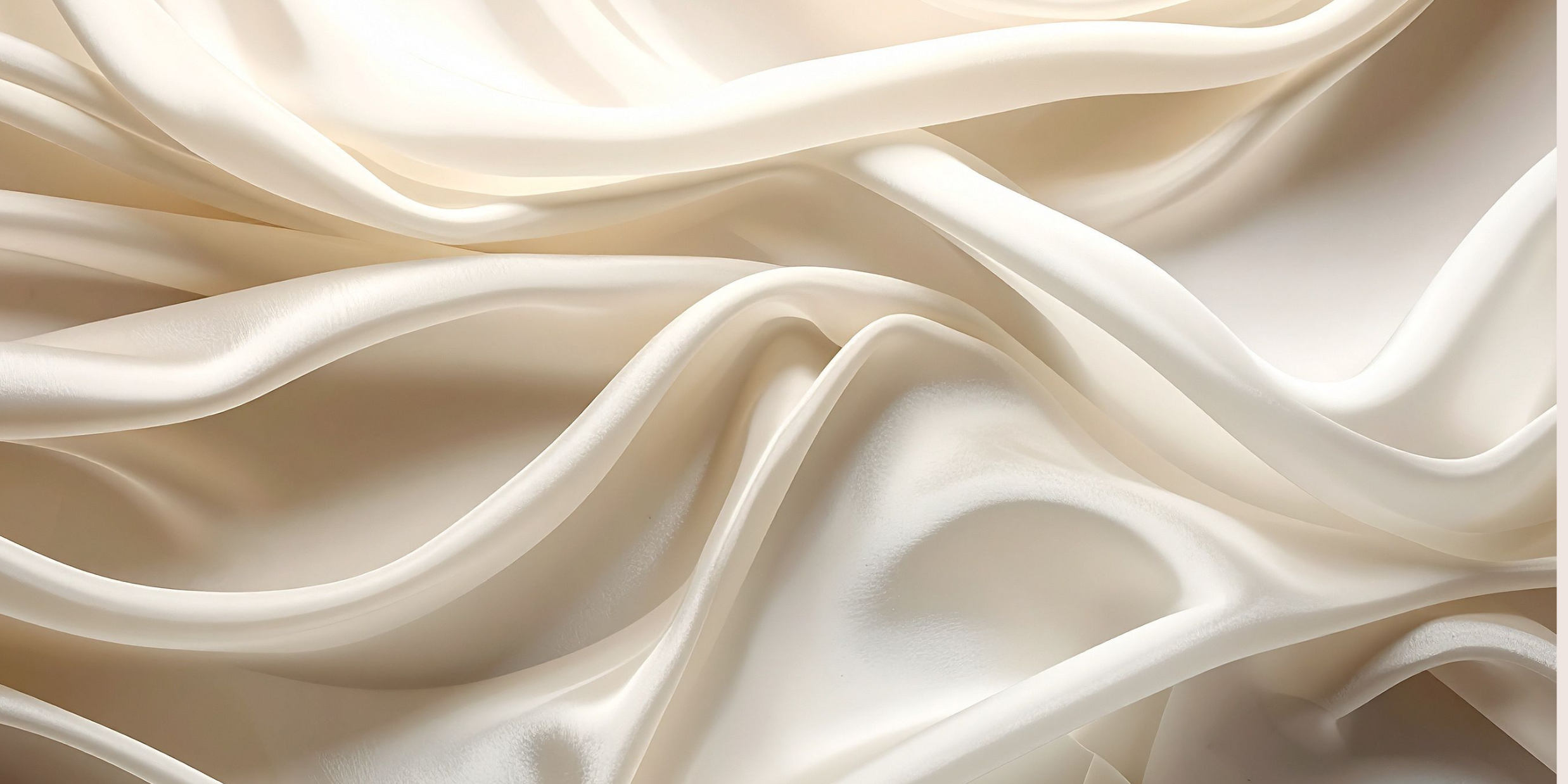
Silk is often described as luxurious, timeless, and natural. But behind its soft sheen lies a process many people never hear about.
In conventional silk production, thousands of silkworm cocoons are boiled alive to preserve a single, unbroken filament. It’s efficient. It’s scalable. And it comes at the cost of life. For readers who care about sustainability, ethics, or conscious consumption, this reality can feel deeply uncomfortable especially when silk is marketed as a “natural” material.

This is where Ahimsa silk, also known as peace silk, enters the conversation.
Ahimsa silk is not a technological shortcut or a synthetic workaround. It’s a philosophical choice. Rooted in the principle of ahimsa non-violence it refers to silk produced by allowing the moth to complete its natural life cycle and emerge from the cocoon before the fibers are collected.
The result is still silk. But it’s silk made with patience, restraint, and care.
Understanding Ahimsa silk means understanding not just how fabric is made but what we choose to prioritize when we make it.
The History: A Gandhian Innovation
The idea of non-violent silk is not new. The principle of ahimsa runs through Jainism, Buddhism, and Hinduism, emphasizing non-harm to all living beings. For centuries, this philosophy influenced food, clothing, and daily life across South Asia.
What is relatively new is applying this principle to commercial silk production.

In the early 2000s, Indian textile expert Kusuma Rajaiah developed and patented a method for producing silk without killing the silkworm. The challenge reportedly came from the wife of former Indian President R. Venkataraman, who asked whether it was possible to create silk without violence.
Rajaiah proved that it was.
This approach also aligns closely with Mahatma Gandhi’s vision of khadi: decentralized production, rural self-reliance, and dignity of labor. Ahimsa silk is often produced by small artisan communities, many of them women, using low-impact methods rather than industrial machinery.
In that sense, peace silk is not just about how fabric is made it’s about who gets to make it, and under what conditions.
The Process: How Ahimsa Silk Is Made
To understand why Ahimsa silk looks and feels different, you need to understand one key moment: the exit.
In conventional silk production, cocoons are boiled before the moth can emerge. This keeps the silk filament intact, sometimes stretching over a kilometer long allowing it to be reeled smoothly into glossy thread.

In Ahimsa silk production, the moth is allowed to emerge naturally by piercing the cocoon. Once this happens, the long filament is broken into shorter fibers.
That changes everything.
Instead of being reeled, Ahimsa silk must be spun, much like cotton or wool. This spinning process gives the fabric a more organic texture, often matte, slightly irregular, and visibly hand-crafted.
These differences aren’t defects. They are physical evidence of a harm-free process.
Types of Ahimsa Silk
Not all Ahimsa silk is the same. Several traditional silks can be produced using non-violent methods:
Eri Silk
Often considered the most naturally ethical form of silk, Eri silk allows the moth to emerge fully from the cocoon before fibers are collected. It is produced from Samia ricini silkworms and is known for its soft, cotton-like texture. Because of its breathability and natural temperature regulation, Ahimsa Eri silk is especially popular for sensitive skin and year-round wear.

Mulberry (Ahimsa) Silk
Mulberry silk can also be produced using Ahimsa methods, where the moth is allowed to emerge naturally before harvesting. This results in shorter, more textured fibers compared to conventional mulberry silk, which is typically smoother and more uniform due to reeling. When made as peace silk, mulberry retains a more organic, hand-spun appearance.
Tussar Silk
Tussar silk comes from wild silkworm species and is known for its naturally golden hue and raw, earthy texture. When sourced using Ahimsa practices, the silk is collected only after the moth has emerged, preserving its non-violent integrity while maintaining its distinctive, rustic character.
Muga Silk
Rare and labor-intensive, Ahimsa Muga silk is prized for its durability and natural sheen, even without chemical processing. Produced from silkworms native to Assam, India, it is considered one of the rarest silks in the world especially when made using non-violent, ethical methods.
Myths & Assumptions: The Reality Check
Myth #1: “Ahimsa silk is vegan silk”
Fact: It isn’t. Ahimsa silk is still an animal-derived material. Many vegans avoid it entirely. Some ethical vegans accept it because no life is taken. The key is transparency and personal values not labels.
Myth #2: “It’s lower quality because it’s not shiny”
Fact: Shine is not the same as quality. Peace silk is often more breathable, more durable, and more comfortable against the skin. Its matte finish is considered a luxury feature in hand-crafted, slow textiles.
Myth #3: “All peace silk is cruelty-free”
Fact: This is where skepticism is healthy. Some producers allow moths to emerge but fail to feed them properly afterward, or still discard male moths. True Ahimsa silk requires traceability, transparency, and ethical oversight.
Why It Matters
Skin Health
Silk is naturally hypoallergenic and moisture-retaining, making it ideal for eczema-prone or sensitive skin. Without harsh chemical finishes, Ahimsa silk is often gentler than mass-produced fabrics.

Wellness & Spiritual Use
Because it’s produced without violence, peace silk is widely used for meditation cushions, prayer stoles, and wellness textiles. For many, the absence of harm carries emotional and spiritual weight.
Sustainability & Livelihoods
Ahimsa silk production supports small-scale artisans and preserves biodiversity by avoiding monoculture farming. It emphasizes skill over speed and people over output. Because it’s a natural fibre, it is also 100% compostable.
Beyond Fabric: Compostable Silk Dental Floss
The philosophy of non-violence extends beyond clothing and textiles. It also shows up in everyday essentials, like oral care. Products such as MABLE silk dental floss demonstrate how natural materials can replace petroleum-based alternatives without harming ecosystems.

Made from 100% compostable silk, PFAS-free, and free from harsh chemicals, MABLE’s floss offers a gentler option for both people and the planet. With silk floss refills and a refillable floss container, it also helps reduce plastic waste by eliminating the need for single-use dispensers.
In this way, peace silk becomes more than a fabric choice; it becomes part of a low-impact, conscious routine that supports personal health while protecting the environment.
Ahimsa silk isn’t perfect. It’s slower. It’s more expensive. It doesn’t look like mass-market silk.
But it asks a better question.

Not “How cheaply can this be made?”
But “How gently can this be done?”
Choosing peace silk doesn’t mean moral superiority. It means awareness. It means understanding the difference between peace silk and regular silk, acknowledging trade-offs, and deciding what aligns with your values.
In the end, Ahimsa silk is more than fabric.
It’s a quiet philosophy you can wear or use every day.
Shop MABLE silk floss: Silk Floss Refill 2-Pack · Refillable Stainless Steel Floss Container. Subscribe & save 10% on repeat orders.



Share:
How to Choose Ocean Friendly Skin Care: Protect Your Skin and Our Oceans
Dental Care Trends 2026: Smarter, Greener Oral Care for the Future