

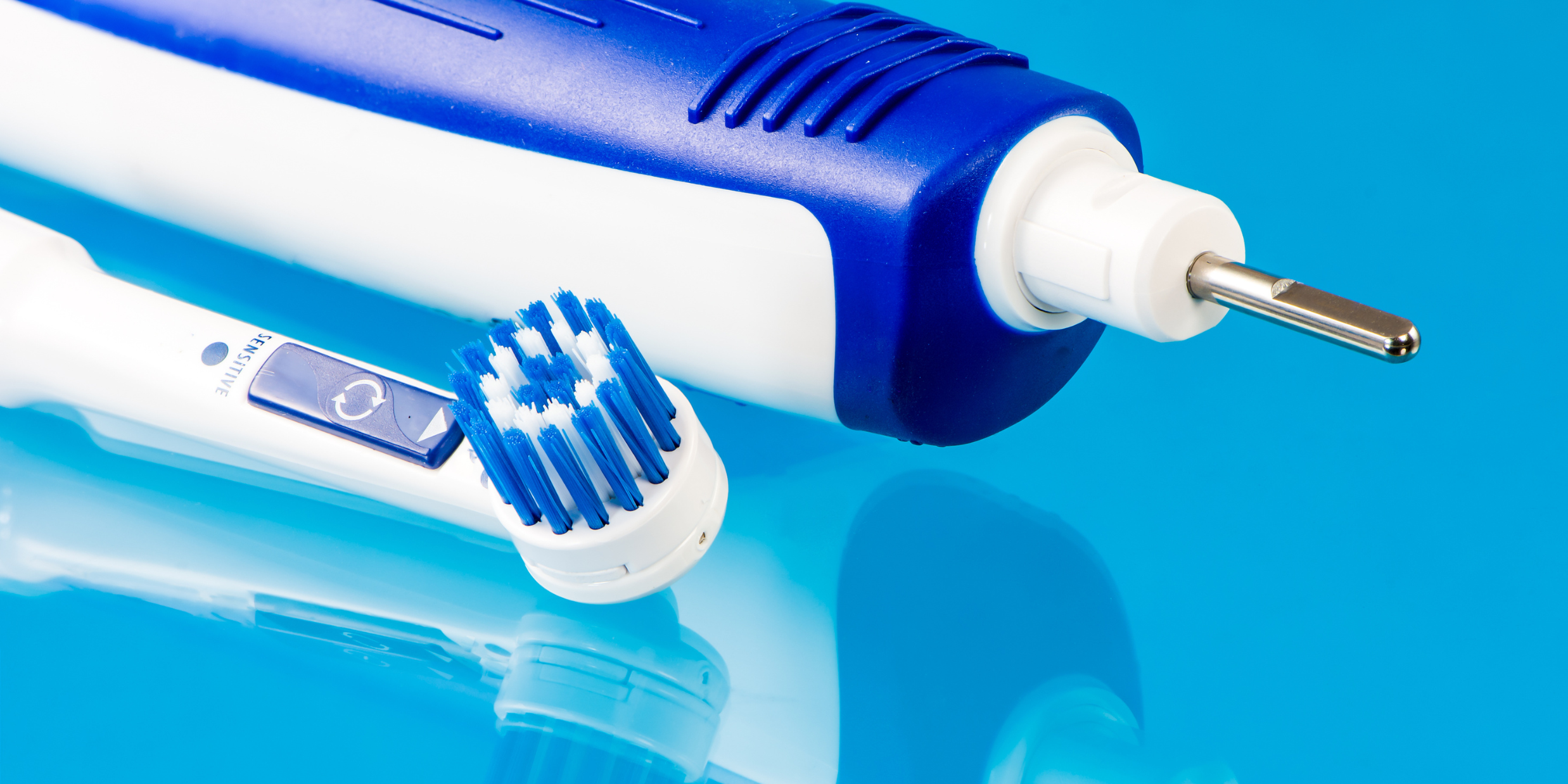
Electric toothbrushes are widely recommended by dentists because they help improve brushing consistency and overall oral health. For many people, switching to electric brushing has meant healthier gums and cleaner teeth.
But there’s a hidden downside.
Every three months, most people replace their electric toothbrush replacement heads, and each replacement adds another small piece of plastic to the waste stream. Individually these heads are tiny but multiplied by millions of users worldwide, they represent a surprisingly large environmental footprint.
So the real question is simple:
Can electric toothbrush heads ever truly be sustainable?
The answer is complicated but there are better options than standard plastic heads. Let’s take a transparent, practical look at what works and what doesn’t.
The Hidden Waste of Plastic Electric Brush Heads
Dentists typically recommend replacing electric toothbrush replacement heads every three months to maintain hygiene and brushing effectiveness. That means the average electric toothbrush user throws away four brush heads per year.
Most plastic electric toothbrush heads are made from:
-
Molded polypropylene or ABS plastic bases
-
Nylon bristles
-
Rubberized elements or metal components
This combination makes them durable but also difficult to recycle.

Most electric heads combine nylon bristles with molded plastic bases that are rarely accepted in municipal recycling systems.
Because of their small size and mixed materials, these heads often fall through sorting systems or are rejected during processing. The result is simple:
Nearly all plastic brush heads end up in landfill.
For environmentally conscious users, this has led to increased interest in plastic-free electric toothbrush alternatives but truly plastic-free electric heads are still rare.
Are Electric Toothbrush Heads Recyclable?
The honest answer is:
Generally, no.
Most electric toothbrush replacement heads cannot be recycled through standard household recycling.
There are several reasons:
-
Mixed plastic components cannot be easily separated
-
Bristles are permanently bonded into the base
-
Small items are difficult to sort mechanically
-
Contamination from toothpaste residue
Some brands offer take-back or recycling programs, allowing customers to return used brush heads for specialist processing. These programs are positive steps forward, but they currently operate at a relatively small scale.
For the majority of users, used brush heads still go into regular household waste.
Are Bio-Plastic Electric Heads Actually Eco-Friendly?
In recent years, some manufacturers have introduced bio-plastic electric heads marketed as more sustainable alternatives to traditional plastic.
These often include:
-
Wheat-straw plastic blends
-
PLA-based plastics derived from corn or sugarcane
-
Mixed plant-based polymers
At first glance, these materials sound environmentally friendly. However, the reality is more complex.

Many bio-plastics:
-
Still contain petroleum-based polymers
-
Require industrial composting facilities
-
Are not home compostable
-
Contain a mix of bio-plastic and conventional plastic nylon bristles
-
Behave like conventional plastic in landfill
This creates confusion for consumers.
“Bio-based” does not necessarily mean biodegradable.
“Compostable” does not always mean backyard compostable.
Most bio-plastic electric heads will still end up in landfill because they usually contain mixed materials that aren’t easily separated. If the bristles are separated from the bio-plastic base they can be composted at industrial composting facilities however in many regions, they are not available.
Bio-plastics can reduce reliance on fossil fuels, but they are not always a complete environmental solution.
How Bamboo Electric Toothbrush Heads Reduce Plastic Exposure
One of the most promising alternatives today is bamboo electric toothbrush heads.
Instead of a fully plastic base, bamboo heads use:
-
A compostable bamboo base
-
Reduced plastic components
-
Plant-based nylon bristles
-
Plastic-free packaging

This significantly reduces overall plastic use while maintaining compatibility with electric toothbrush handles.
Eco-friendly electric toothbrush heads made from bamboo offer a smaller plastic footprint without giving up the clean you expect.
However, transparency matters.
Bamboo electric heads are not completely plastic-free.
Most models still include: Synthetic bristles and some brands use small internal plastic connectors (not MABLE).
To compost the bamboo base properly, the bristles must be removed first.
Even with these limitations, bamboo heads represent one of the most practical ways to reduce plastic waste while continuing to use an electric toothbrush.
Eco-Friendly Electric Head Options (Compatibility Guide)
Compatibility is one of the biggest concerns when switching to eco-friendly heads. Fortunately, many sustainable options are designed to fit popular toothbrush models.
Sonicare Compatible Heads
If you use a Philips Sonicare toothbrush, look for Sonicare compatible heads designed with click-on fittings like MABLE’s electric heads four pack. Bamboo options are becoming more available and offer a lower-plastic alternative to standard heads.
Philips One Compatible Heads
If you use a Philips One brush, MABLE’s Bamboo Toothbrush Head Compatible with Philips One is specifically designed for the slim handle system. This eco-friendly electric toothbrush head provides a secure fit while reducing overall plastic use through its bamboo base and thoughtfully minimized synthetic components.
Aquasonic Electric Heads
For Aquasonic users, MABLE’s Bamboo Toothbrush Head Compatible with AquaSonic is specifically designed to fit standard Aquasonic handles securely and comfortably. This eco-friendly electric toothbrush head features a compostable bamboo base and reduced plastic components, helping lower overall plastic waste without compromising brushing performance or hygiene.
By upgrading to a bamboo-compatible option, you can continue using your Aquasonic handle while making a more sustainable choice.
Laifen Bamboo Electric Heads
Users of Laifen toothbrushes can look for Laifen bamboo electric heads, which combine compatibility with reduced plastic use and sustainable packaging.
If you use a Laifen toothbrush, MABLE’s Bamboo Toothbrush Head For Laifen is designed to provide a secure fit while reducing overall plastic use. Featuring a compostable bamboo base and thoughtfully reduced synthetic components, this eco-friendly electric toothbrush head allows you to maintain your brushing routine while making a more sustainable switch.
Gleem Electric Heads
Some eco-focused suppliers also offer Gleem electric heads with plant-based or bamboo components, providing alternatives to fully plastic designs.
For Gleem toothbrush users, MABLE’s Bamboo Toothbrush Head For Gleem offers a more sustainable alternative to fully plastic replacement heads. Designed for compatibility and performance, this eco-friendly electric toothbrush head features a bamboo base with reduced plastic components, helping lower environmental impact while maintaining an effective clean.
Checking compatibility before purchase is essential, but switching to eco-friendly heads is usually straightforward.
How to Compost a Bamboo Electric Head
One advantage of bamboo electric toothbrush heads is that the base can usually be composted.
Here is a simple method to compost a bamboo toothbrush head:
Step 1: Remove the bristles
Use pliers to pull out the bristles from the bamboo base or snap off the bristle head.
Step 2: Dispose of bristles
Place the bristles in regular household waste.
Step 3: Compost the bamboo base
Put the bamboo base into a home compost system.
Step 4: Allow time to break down
Bamboo typically decomposes within 4–6 months depending on compost conditions.
Step 5: Recycle packaging
Most bamboo heads come in cardboard packaging that can be recycled.
This simple process keeps most of the brush head out of landfill.
So… Can Electric Toothbrush Heads Be Sustainable?
The honest answer is:
Not completely at least not yet.
A fully plastic-free electric toothbrush head does not currently exist on a large commercial scale.
However:
-
Bamboo heads significantly reduce plastic use
-
Bio-plastics are not always the solution
-
Recycling options remain limited
-
Small changes still matter
Sustainability is often about progress rather than perfection.
Switching to bamboo-based electric heads is one practical way to reduce plastic waste while keeping the benefits of electric brushing.
Ready to Reduce Plastic without Switching Back to Manual?
You don’t have to give up your electric toothbrush to reduce your environmental impact. With Brush MABLE, you can continue enjoying the benefits of electric brushing while making more mindful, lower-plastic choices.

Choosing bamboo-compatible options allows you to maintain oral health while reducing plastic waste.
Small changes add up and your toothbrush routine is a great place to start.

Share:
How Oral Health Affects Your Whole Body (And Why Flossing Matters More Than You Think)
The Eco Bathroom Checklist: 10 Sustainable Swaps That Actually Make a Difference