

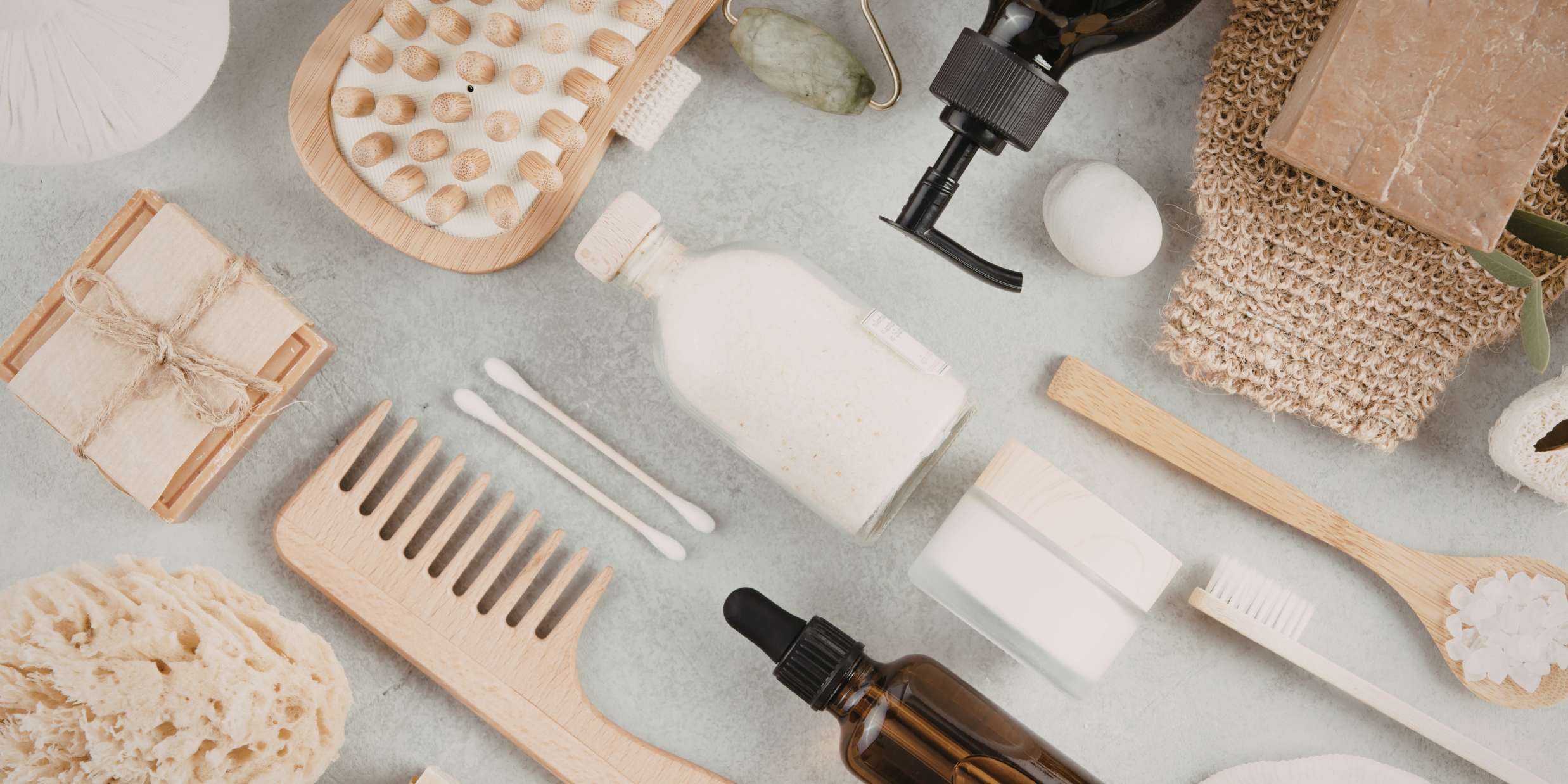
If you’ve ever tried to reduce plastic waste, you’ve probably noticed one thing: the bathroom is full of it. From toothbrushes and floss containers to shampoo bottles and cotton swabs, many everyday essentials are designed to be used briefly and thrown away.
Many common bathroom products are replaced every two or three months, toothbrushes, floss, razors, and cotton swabs among them. That means small changes can have a surprisingly large environmental impact over time.

For example, users of electric toothbrushes can consider eco-friendly replacement options such as Bamboo Toothbrush Head compatible with Philips Sonicare, Bamboo Toothbrush Head compatible with Philips One, Bamboo Toothbrush Head Compatible with AquaSonic, Bamboo Toothbrush Head For Laifen, and Bamboo Toothbrush Head For Gleem. These options help maintain oral care routines while lowering plastic waste.
Studies estimate that billions of plastic toothbrushes are discarded every year, with most ending up in landfills or oceans where they can take hundreds of years to break down. The reality is that bathrooms contain some of the most frequently replaced household items, which makes them a powerful place to start reducing waste.
The good news is that building a plastic-free bathroom doesn’t require perfection. You don’t need to throw everything away or adopt a zero-waste lifestyle overnight. Instead, small, practical changes can add up over time.
This eco bathroom checklist introduces 10 beginner-friendly sustainable bathroom swaps that actually make a difference without making your routine complicated.
Why Start with Your Bathroom?
If you're new to sustainability, the bathroom is one of the easiest places to begin.
Many common bathroom products are replaced every two or three months, toothbrushes, floss, razors, and cotton swabs among them. That means small changes can have a surprisingly large environmental impact over time.
Unlike major lifestyle changes, switching to eco-friendly bathroom products usually requires little effort. Most swaps work exactly like their traditional counterparts just with less plastic waste.
Think of it this way:
Small swaps, repeated daily, create meaningful impact.
The Eco Bathroom Checklist (Beginner-Friendly Swaps)
You don’t need to change everything at once. Start with one simple switch and build from there.
1. Swap Your Plastic Toothbrush for a Bamboo Toothbrush
One of the simplest sustainable bathroom swaps is replacing a plastic toothbrush with a bamboo toothbrush.
Conventional plastic toothbrushes are made from petroleum-based materials and can take centuries to decompose. Because they combine multiple plastics and nylon bristles, they are rarely recyclable.

A biodegradable toothbrush with a compostable toothbrush handle offers a lower-impact alternative. Bamboo grows quickly, requires fewer resources than plastic production, and breaks down naturally over time.
Users who prefer electric brushing can still reduce plastic exposure by choosing sustainable replacement heads such as Bamboo Toothbrush Head compatible with Philips Sonicare or Bamboo Toothbrush Head compatible with Philips One.
To dispose of one properly, remove the bristles before composting the handle.
Performance wise, modern bamboo brushes clean just as effectively as plastic versions, making them an easy introduction to sustainable oral care.
2. Replace Plastic Floss with Refillable Silk Dental Floss
Traditional dental floss is typically made from nylon and packaged in plastic containers that get thrown away once empty.
Refillable floss reduces this waste by allowing you to reuse the same dispenser with replacement spools. Many eco-conscious options use silk dental floss, which is biodegradable and free from synthetic materials.

Switching to plastic-free floss helps eliminate unnecessary packaging while maintaining the same dental hygiene standards.
Some consumers also prefer natural floss options because they avoid certain synthetic coatings often used in conventional floss products.
3. Choose Compostable Cotton Swabs Over Plastic Ones
Plastic cotton swabs are among the most common small plastic items found in oceans and waterways.
Because of their environmental impact, many countries have already introduced bans on plastic-stemmed swabs.
Compostable cotton swabs made from bamboo or paper provide the same functionality without long term pollution. These eco-friendly cotton swabs can often be disposed of in compost or general waste where they break down naturally.
It’s a small change with a clear environmental benefit.
4. Upgrade to Bamboo Electric Toothbrush Heads
Electric toothbrushes are excellent for dental health, but replacement heads create ongoing plastic waste.

Bamboo electric toothbrush heads reduce plastic use by incorporating renewable materials into the design while maintaining compatibility with popular electric toothbrush brands.
MABLE offers sustainable options such as:
These electric toothbrush replacement heads work just like standard versions but reduce the environmental footprint of your daily brushing routine.
For people who prefer electric brushes, this is an easy sustainability upgrade without sacrificing performance.
5. Add a Bamboo Travel Case
Travel-sized plastic containers and disposable holders often end up being used once and forgotten.
A bamboo toothbrush travel case provides a durable, reusable alternative that keeps your toothbrush clean and protected.

It also helps maintain sustainable habits while traveling, something that’s often overlooked when building a more eco-friendly routine.
Reusable accessories like this reduce the need for temporary plastic packaging and storage solutions.
6. Switch to Solid Bars and Toothpaste Tabs
Liquid products like shampoo, body wash, and toothpaste often come in plastic tubes and bottles that are difficult to recycle.
Solid alternatives including shampoo bars, soap bars, and toothpaste tablets significantly reduce packaging waste.
These products are a popular part of zero-waste bathroom swaps because they often use minimal or plastic-free packaging.
They also reduce water content during manufacturing and transportation, which can lower environmental impact even further.
7. Use a Reusable Razor (Replace Blades Only)
Disposable razors are designed for short-term use and are rarely recyclable because they combine plastic and metal components.
A reusable safety razor allows you to replace only the blades while keeping the handle for years.
Although the initial investment may be higher, reusable razors often save money over time and dramatically reduce plastic waste.
They’re also known for durability and consistent shaving performance.
8. Reusable Makeup Remover Pads
Single-use cotton rounds are convenient but generate significant waste over time.
Reusable makeup remover pads can be washed and reused dozens or even hundreds of times.
This swap reduces both environmental impact and long-term cost while keeping your skincare routine simple.
For many households, this becomes one of the easiest eco-friendly habits to maintain.
9. Avoid Microbeads and Plastic-Based Body Products
Many cleansers and exfoliating products contain tiny plastic particles known as microbeads.
These micro plastics in skincare are too small to be filtered out by water treatment systems and often end up in rivers and oceans.

Choosing products with natural exfoliants such as salt, sugar, or ground seeds helps reduce micro plastic pollution.
Checking ingredient labels is a simple way to avoid unnecessary plastic in personal care products.
10. Ditch Plastic Loofahs for Natural Alternatives
Plastic mesh loofahs eventually break down into microplastics and need regular replacement.
Natural alternatives made from plant-based fibers or dried loofah plants provide effective exfoliation without long-term environmental damage.
Options made from coconut fiber or natural loofah plants are biodegradable and compostable at the end of their life.
This swap helps reduce plastic waste while maintaining a comfortable bathing routine.
How to Start Your Sustainable Bathroom (Without Overwhelm)
Building a sustainable bathroom works best when done gradually.
Instead of replacing everything at once, start with one or two swaps and expand over time.
Replace items as they run out rather than throwing away usable products. This approach reduces waste and makes sustainability more affordable.
Simple habits like choosing refillable options or compostable materials eventually build a routine that feels natural and effortless.
Final Thoughts: Progress over Perfection
Sustainability is not about being perfect, it's about making better choices when you can.
Even one or two sustainable bathroom swaps can reduce plastic waste significantly over the course of a year.

The bathroom is a powerful place to begin because the products you use there are part of your daily routine. Small improvements compound into meaningful environmental impact.
Progress matters more than perfection and the simplest changes are often the ones that last.
Share:
Electric Toothbrush Heads: Can They Ever Be Sustainable?
Are Cotton Swabs Bad for Your Ears? And What’s the Eco-Friendly Alternative?