

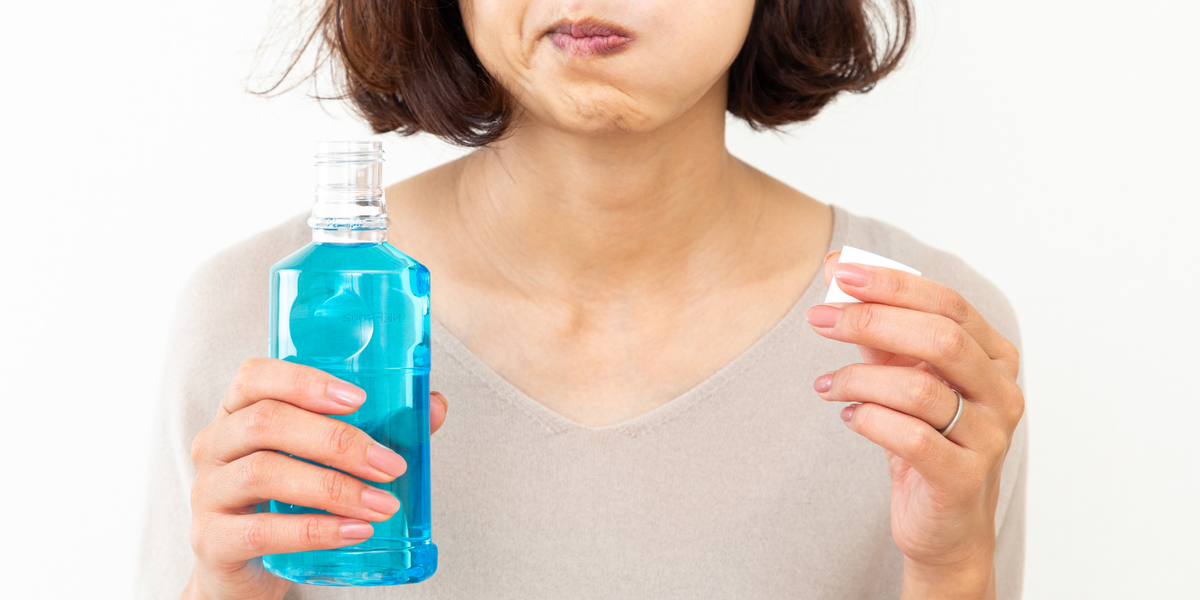
Walk down the oral care aisle and there is no shortage of options. Fluoride mouthwash. Alcohol-free rinses. Whitening formulas. Natural mouthwash. Coconut oil pulling. Products promising fresher breath, healthier gums, or a cleaner mouth.
It can make a simple daily routine feel surprisingly complicated.
So, is mouthwash actually good for you? Is mouthwash necessary? And can something more natural, like oil pulling, replace it?
The short answer is that mouthwash can be useful for some people, but it is not an essential step for everyone. Oil pulling, meanwhile, has become popular as a natural alternative, but the scientific evidence behind many of its oral health claims remains limited.
The most important thing is not adding more products to your bathroom shelf. It is getting the fundamentals right: brushing properly, cleaning between your teeth, seeing your dentist regularly, and choosing products that make sense for your needs and values.
So, Is Mouthwash Good for You?
Yes, mouthwash can be good for you when you use the right type for the right reason. But it does not replace brushing or flossing.
According to the American Dental Association, or ADA, mouthwash can be a helpful addition to a daily oral hygiene routine for some people.
Certain therapeutic mouthwashes may help with plaque, gingivitis, tooth decay, and bad breath. Fluoride-containing mouthwashes may also provide additional cavity protection.

The important distinction is between therapeutic mouthwash and cosmetic mouthwash.
Therapeutic mouthwashes contain active ingredients intended to address particular oral health concerns, such as plaque, gingivitis, cavities, or bad breath.
Cosmetic mouthwashes are mainly designed to make your mouth feel fresher or temporarily improve breath. They do not necessarily reduce the risk of cavities or gum disease.
That means the answer to "is mouthwash good for your teeth?" depends partly on what is inside the bottle and why you are using it.
If you have a particular dental concern, your dentist can help you decide whether a mouthwash should be part of your routine.
Is Mouthwash Bad for You?
For most people, properly using an appropriate mouthwash according to its instructions is not something that needs to be feared.
The bigger issue is assuming that every mouthwash serves the same purpose, or that using mouthwash automatically means you have a complete oral care routine.
A strong minty sensation does not necessarily mean your teeth are cleaner. Likewise, a product labelled "natural" is not automatically more effective or more suitable for your oral health.
Some people prefer alcohol-free mouthwash because they find it gentler or simply prefer to avoid alcohol-based formulas. Others may be advised to use a specific fluoride or therapeutic mouthwash because of their cavity or gum health needs.
If a mouthwash causes persistent irritation or discomfort, stop using it and ask your dentist what may be more suitable.
The goal should be to choose products based on what they actually do, not simply how intense or fresh they make your mouth feel.
Is Mouthwash Necessary?
For many people, mouthwash is optional rather than essential.
Good oral hygiene starts with physically removing plaque from your teeth and between them.
The National Institute of Dental and Craniofacial Research recommends brushing twice a day with fluoride toothpaste, regularly cleaning between your teeth, ideally once a day, and visiting your dentist for routine care.
Some people may benefit from an additional mouthwash. For example, a dental professional might recommend a fluoride rinse for someone at higher risk of tooth decay.
But if you already brush effectively, clean between your teeth, and keep up with dental appointments, you should not feel that you need another product simply to make your routine feel complete.
At MABLE, we think a more thoughtful oral care routine is not always about adding more.
Sometimes it is about choosing better basics and using them consistently.
If you are reviewing the products you use every day, learning whether bamboo toothbrushes are effective can be a more useful starting point than adding another unnecessary step to your routine.
What Should You Look for in a Mouthwash?
Start by asking what you actually want the mouthwash to do.
If you simply want fresher breath, a cosmetic mouthwash may be enough.
If you are trying to address cavities, plaque, or gingivitis, look for a therapeutic product designed for that purpose.
Fluoride mouthwash
Fluoride mouthwash can provide additional cavity protection for some people, particularly when recommended by a dental professional.
Alcohol-free mouthwash
Some people prefer alcohol-free formulas because they find them more comfortable to use. Choosing alcohol-free mouthwash is generally a matter of individual preference and dental needs rather than a requirement for everyone.
ADA Seal of Acceptance
When choosing an over-the-counter mouthwash in the United States, the ADA Seal of Acceptance can be a useful trust signal. It indicates that the product has met ADA requirements for safety and effectiveness for its stated purpose.
Whatever mouthwash you choose, follow the instructions on the label rather than assuming that using more of it or rinsing for longer will produce better results.
Mouthwash is also generally not recommended for children under six unless specifically directed by a dentist or doctor, because younger children may accidentally swallow it.
What About Mouthwash and the Oral Microbiome?
The phrase oral microbiome has become increasingly common in conversations about mouthwash.
Your mouth naturally contains a complex community of microorganisms. This has led some people to worry that mouthwash will simply "kill all the good bacteria."
The reality is more nuanced than many social media claims suggest.
Different mouthwashes contain different ingredients and serve different purposes. It does not make sense to treat every rinse as though it has exactly the same effect.
Concerns about the oral microbiome also should not automatically lead you to avoid a product that your dentist has recommended for a particular condition.
Rather than trying to eliminate every bacterium, or avoiding evidence-based products because of fear, the better approach is to maintain good oral hygiene and use targeted products when they are actually needed.
Similar caution is useful when reading claims about other oral care materials. Our guide to microplastics in oral care looks at what is currently known about toothbrushes, floss, toothpaste, and other everyday products without turning developing research into alarming conclusions.
What Is Oil Pulling?
Oil pulling is the practice of swishing an edible oil around the mouth and between the teeth for several minutes.
Coconut oil is probably the version you have seen most often online, but sesame, sunflower, and olive oils have also traditionally been used.

Oil pulling has roots in traditional practices in India and southern Asia. Today, however, it is often promoted online with much broader claims, including whitening teeth, reducing bacteria, preventing cavities, and improving general health.
That raises an important question:
Does oil pulling actually work?
Is Oil Pulling Good for Your Teeth?
Current evidence is limited.
According to the ADA, there are no reliable scientific studies demonstrating that oil pulling reduces cavities, whitens teeth, or improves oral health and overall well-being.
Because reliable evidence is lacking, the ADA does not recommend oil pulling as a dental hygiene practice.

That does not mean someone who enjoys oil pulling must never do it.
It does mean that oil pulling should not replace evidence-based oral hygiene habits, particularly brushing and cleaning between your teeth.
If you enjoy the ritual of oil pulling, think of it as an optional personal practice rather than a proven substitute for brushing, flossing, mouthwash prescribed or recommended for a specific reason, or professional dental care.
Claims that oil pulling can "detox" the body, cure gum disease, or replace standard dental care should be approached cautiously.
Mouthwash vs Oil Pulling: Which Has More Evidence?
When comparing mouthwash vs oil pulling, it helps to separate personal preference from demonstrated oral health benefits.
A therapeutic mouthwash recommended for a particular dental need has clearer scientific support and established uses than oil pulling.
The ADA recognizes therapeutic mouthwashes as potentially useful for concerns such as plaque, gingivitis, tooth decay, and bad breath. The ADA does not currently recommend oil pulling as a dental hygiene practice.
But there is another important point.
Neither one replaces the basics.
A strong oral care routine still starts with:
-
Brushing your teeth twice a day with fluoride toothpaste
-
Cleaning between your teeth regularly
-
Using mouthwash when it serves a useful purpose for your individual needs
-
Keeping up with regular dental visits
-
Speaking to your dentist about persistent bleeding, pain, sensitivity, dry mouth, or other concerns
The basics may not be as exciting as the latest wellness trend, but consistency matters far more than adding complicated steps to your routine.
Can Oil Pulling Replace Flossing?
No.
Swishing oil around your mouth does not provide a reliable replacement for physically cleaning between your teeth.
Cleaning between your teeth helps remove plaque and food from areas a toothbrush cannot easily reach.

For people trying to combine daily flossing with a lower-waste routine, switching from disposable floss picks to a reusable system can be one practical option.
You can learn more about the differences between plastic-free floss and disposable floss picks, including why refillable systems can reduce the waste associated with single-use picks.
MABLE also offers refillable floss that can be reused rather than replacing a plastic dispenser whenever the floss runs out.
What Is a Natural Alternative to Mouthwash?
This depends on what you mean by "alternative."
If you simply want to rinse your mouth after eating, plain water can help remove loose food particles and leave your mouth feeling refreshed.
However, water does not provide the same therapeutic benefits as a mouthwash containing fluoride or another clinically active ingredient.

Oil pulling is sometimes promoted as a natural mouthwash alternative, but current evidence does not support treating it as an equivalent replacement for therapeutic mouthwash.
More importantly, "natural" and "effective" are not opposites.
You can build a mindful oral care routine without rejecting fluoride, dental advice, or evidence-based products.
You also do not need to add a trending natural ingredient simply because it sounds cleaner.
A thoughtful routine should focus on what works for your mouth.
Where Does Sustainability Fit Into Oral Care?
Oral care is something most of us practice every day, often using several disposable products along the way.
Plastic toothbrush handles, disposable floss containers, floss picks, toothpaste packaging, mouthwash bottles, and other bathroom products can create waste over time.
But sustainable oral care does not have to mean replacing everything you own at once.
A lower-waste routine can start with simple decisions:
-
Use what you already own before replacing it
-
Avoid adding products you do not actually need
-
Choose reusable or refillable options where practical
-
Look for products with less unnecessary plastic
-
Understand what different materials are actually made from
-
Replace everyday essentials with lower-waste alternatives when they reach the end of their useful life
If you are looking beyond oral care, our guide to sustainable bathroom swaps offers practical ways to reduce everyday bathroom waste without trying to achieve an unrealistic zero-waste lifestyle overnight.
Start With the Toothbrush You Already Use Every Day
Your toothbrush is one of the simplest places to rethink your oral care routine because it is something you already use twice a day.
A conventional toothbrush normally uses a plastic handle.
Choosing a bamboo toothbrush replaces that conventional plastic handle with an FSC-certified bamboo handle designed to be compostable once the bristles are removed.
MABLE's Basics toothbrush also uses plant-based nylon bristles derived from castor bean oil.
An important distinction needs to be made here.
The bristles are not compostable.
They should be removed before composting the bamboo handle.
This is why we prefer terms such as low-waste toothbrush, more sustainable toothbrush, bamboo toothbrush, and designed to reduce plastic waste, rather than suggesting that every component of the toothbrush disappears naturally.
Transparency matters more than making a product sound perfect.
You can also learn more about MABLE's sustainably sourced bamboo and why FSC-certified bamboo is used for our toothbrush handles.
Rethink Your Floss, Too
The toothbrush is not the only source of disposable material in the average oral care routine.
Traditional floss often comes in a plastic dispenser that is thrown away when the floss is finished. Floss picks create even more frequent waste because the entire product is usually discarded after a single use.
A refillable floss system allows the container itself to be used repeatedly while replacing only the floss.
Small changes like this can help create a low-waste oral care routine without asking you to completely redesign the way you care for your teeth.
The goal is not perfection.
The goal is making better choices where they are practical.
A Better Oral Care Routine Does Not Have to Be Complicated
If you have been questioning every bottle, ingredient, and oral wellness trend in your bathroom, simplify.
Start with the practices that matter most.
Brush thoroughly.
Clean between your teeth.
Keep up with regular dental care.
Add products such as mouthwash when they have a clear purpose.
Treat wellness trends such as oil pulling as optional rather than essential.

And when it is time to replace products you already use, consider whether there is a lower-waste option that can perform the same everyday job.
If you are rethinking your routine, MABLE makes thoughtfully designed sustainable oral care essentials, including bamboo toothbrushes and refillable floss, to help reduce unnecessary waste without overcomplicating your bathroom.
Better oral care does not need to mean more products.
It starts with better habits.
Frequently Asked Questions
Is mouthwash good for you?
Mouthwash can be helpful for some people. Therapeutic mouthwashes may help address issues including plaque, gingivitis, cavities, and bad breath.
However, mouthwash should be used alongside brushing and cleaning between your teeth, not instead of them.
Is mouthwash bad for your teeth?
Mouthwash is not inherently bad for your teeth when an appropriate product is used according to its instructions.
Different formulas serve different purposes, so choose a mouthwash based on your individual dental needs and speak with your dentist if you are unsure.
Do dentists recommend mouthwash?
Dentists may recommend mouthwash for particular patients or oral health concerns, but not everyone needs one.
The ADA describes mouthwash as a potentially helpful addition to daily oral hygiene rather than a replacement for brushing and flossing.
Is mouthwash necessary?
Not for everyone.
Some people can benefit from a specific therapeutic or fluoride mouthwash, while others may have a complete routine based primarily on brushing, cleaning between their teeth, and professional dental care.
Can mouthwash replace flossing?
No.
Mouthwash does not replace the physical cleaning that occurs when you clean between your teeth.
Flossing and other interdental cleaning methods help remove plaque and food from areas that your toothbrush may not effectively reach.
Is oil pulling better than mouthwash?
For proven oral health purposes, therapeutic mouthwashes have clearer scientific support.
The ADA does not currently recommend oil pulling as a dental hygiene practice because reliable evidence supporting many of its claimed benefits is lacking.
Does oil pulling whiten teeth?
There is currently no reliable scientific evidence showing that oil pulling whitens teeth, according to the ADA.
Is oil pulling good for gums?
Oil pulling is sometimes promoted for gum health, but available evidence is not strong enough for the ADA to recommend it as a dental hygiene practice.
Brushing, cleaning between the teeth, and professional dental care remain the more established approach.
Can oil pulling replace brushing?
No.
Oil pulling should not replace brushing your teeth with fluoride toothpaste or cleaning between your teeth.
Should I use mouthwash every day?
It depends on the product and your individual dental needs.
Some mouthwashes are designed for regular use, while others may be recommended for a particular dental condition.
Follow the product instructions and your dentist's advice.
What is the best low-waste oral care routine?
Start with the essentials.
Brush effectively, clean between your teeth, maintain regular dental appointments, and avoid buying oral care products you do not need.
When products need replacing, consider practical lower-waste alternatives such as a bamboo toothbrush and refillable floss.
You can also explore MABLE's guide to sustainable bathroom swaps for other ways to reduce everyday waste.
What is a natural alternative to mouthwash?
Plain water can be used as a simple rinse, but it does not provide the therapeutic benefits of a mouthwash containing active ingredients such as fluoride.
Oil pulling is often marketed as a natural alternative, but it should not be considered a proven substitute for brushing, flossing, or dentist-recommended mouthwash.
Are bamboo toothbrushes effective?
The handle material does not change the fundamental purpose of the toothbrush. What matters is effective brushing, appropriate bristles, and consistent use.
If you are considering switching from a conventional plastic toothbrush, read our guide on whether bamboo toothbrushes are effective and how they compare with conventional alternatives.
Can I compost a MABLE bamboo toothbrush?
The bamboo handle can be composted after the bristles are removed.
MABLE's plant-based nylon bristles are not compostable and should be removed before the bamboo handle is composted.
Medical note: This article is intended for general educational purposes and is not a substitute for individual dental advice. Speak with your dentist or another qualified dental professional if you have concerns about your teeth, gums, or oral care routine.

Share:
Are There Microplastics in Your Mouth? Toothpaste, Floss, Gum, and Toothbrushes Explained