
Millions of people use cotton swabs every single day. They’re small, convenient, and part of many daily routines.
But here’s the confusing part.
Doctors often warn people not to put cotton swabs in their ears, while governments around the world are banning plastic cotton swabs because of pollution.
So what’s really going on?
Are cotton swabs actually bad for you? And if plastic ones are disappearing, what’s the better alternative?
In this guide, we’ll explore the health concerns, the environmental impact, and why bamboo cotton swabs and eco-friendly cotton swabs like those from Brush Mable are becoming the preferred sustainable option.
Is It Dangerous to Use Cotton Swabs in Your Ears?
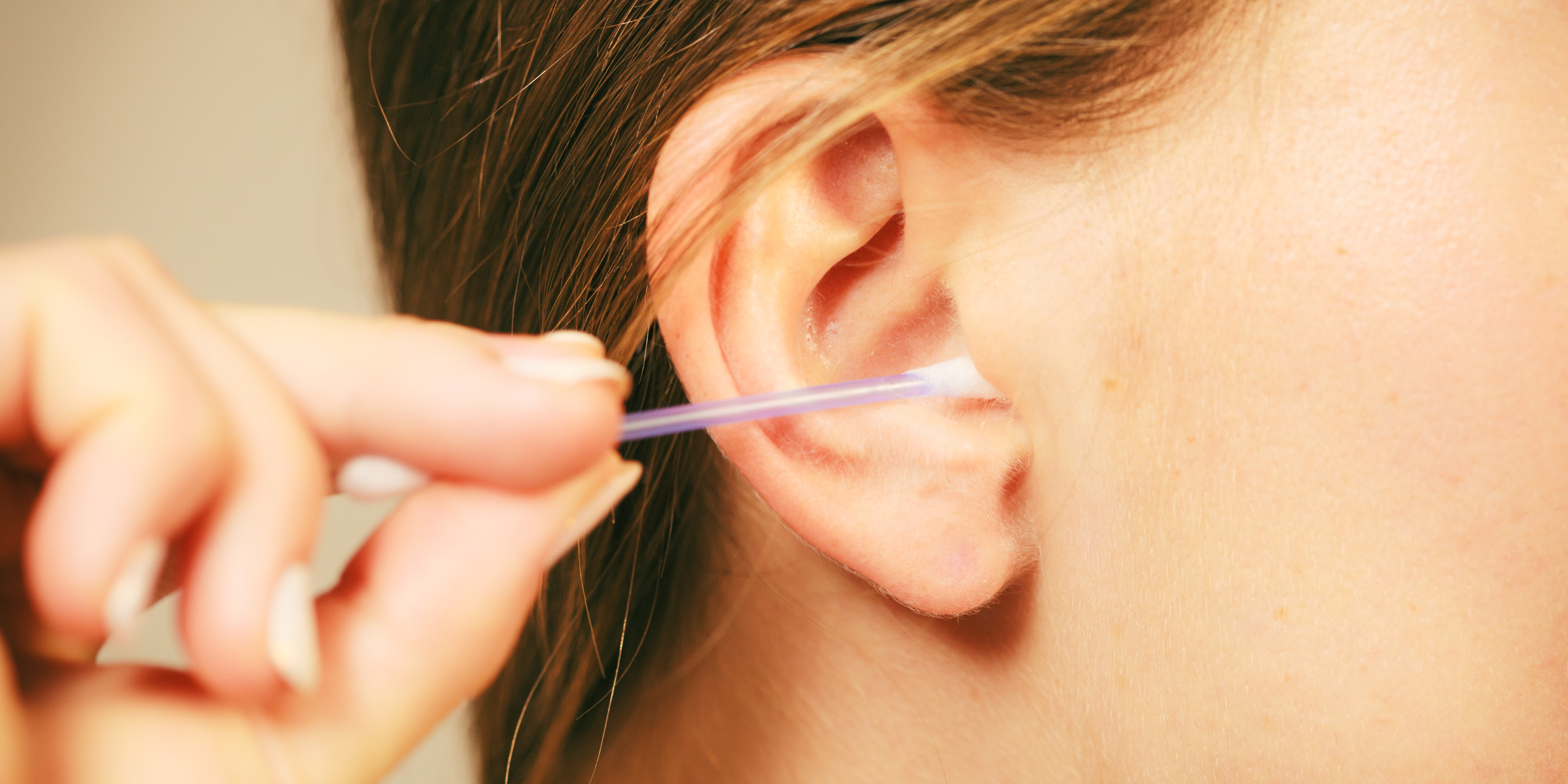
Many people assume cotton swabs are meant for cleaning inside the ear canal. However, medical professionals generally advise against inserting anything into your ears including cotton swabs.

So is it dangerous to use cotton swabs in ears? In many cases, yes.
The ear is actually self-cleaning. Earwax naturally moves outward from the ear canal, carrying debris with it. When you push a cotton swab inside, it can interfere with this natural process.
Possible risks include:
-
Impacted earwax from pushing wax deeper
-
Irritation or scratches inside the ear canal
-
Perforated eardrum in rare but serious cases
-
Blockages that may affect hearing temporarily
This doesn’t mean cotton swabs should never be used. However, they are not designed for cleaning the inner ear.
When you use them:
-
Use them only on the outer ear area
-
Never insert them deep into the ear canal
-
Use light pressure and avoid forcing them
-
Children should never use them unattended
If you experience ear pain or wax buildup, it’s always safer to consult a medical professional.
Why Are Cotton Swabs Banned in Some Countries?
You may have heard that cotton swabs are being banned in certain places. That’s partly true but the ban is not about the cotton tip.
It’s about the plastic stick.
Several governments have introduced restrictions on plastic-stem cotton swabs as part of broader efforts to reduce single-use plastic waste.
For example:
The European Union introduced the Single-Use Plastics Directive to reduce plastic products commonly found in marine pollution.
Similarly, the UK implemented restrictions on plastic cotton buds to protect the environment through its single-use plastics bans and restrictions.
Why these measures?
Because cotton swabs are frequently found during beach cleanups and ocean waste surveys. According to data from the International Coastal Cleanup, small plastic items like swab sticks are common pollutants.
So when people ask why are cotton swabs banned, the real issue is plastic cotton swab pollution, not the cotton itself.
The Problem With Plastic Cotton Swab Pollution
Cotton swabs may be tiny, but their environmental impact can be surprisingly large.
One of the biggest issues is how they are disposed of.

Many people flush them down toilets, assuming they will dissolve. But plastic stems don’t biodegrade.
Instead, they often:
-
Slip through wastewater filtration systems
-
Travel into rivers and oceans
-
Add to plastic cotton swab pollution
-
Contribute to the growing problem of single-use plastic waste
Marine animals can mistake these plastic fragments for food, which may harm ecosystems.
And because plastic takes decades—or even centuries—to break down, these small items accumulate over time.
They’re small, but they add up.
Are Bamboo Cotton Swabs Actually Eco-Friendly?
As plastic bans increase, many individuals are switching to bamboo cotton swabs as a sustainable alternative.

The biggest difference is the stick material.
Traditional swabs use plastic sticks, while bamboo cotton swabs use natural bamboo wood, which are biodegradable.
Eco-friendly cotton swabs often feature:
-
Bamboo instead of plastic
-
Plastic-free cotton swabs
-
Renewable materials
-
Minimal or recyclable packaging
Bamboo grows quickly and requires fewer resources compared to many other materials, which makes it an attractive sustainable option.
Brands like Brush Mable bamboo cotton swabs are designed to replace plastic swabs while keeping the same everyday convenience people are used to.
However, transparency matters.
While bamboo sticks are biodegradable, not all cotton swabs on the market are fully compostable. Some products may still contain plastic components or non-compostable materials. When choosing eco-friendly cotton swabs, it’s best to look for options made with bamboo or paper-based sticks and always check the product’s compostability details. High-quality options, such as Brush Mable bamboo cotton swabs, are 100% compostable, making them a reliable choice for reducing everyday plastic waste.
How to Dispose of Bamboo Cotton Swabs
Even when using compostable cotton swabs, proper disposal is important.
Here are the recommended steps:
Do not flush them.
Dispose of them responsibly.
The best option is to compost them:
• Place them in backyard compost
• Dispose of them in commercial composting facilities
Brush Mable bamboo cotton swabs are 100% compostable, so they can break down naturally in composting systems.
If composting is not available, they can be disposed of in regular household waste, but composting is the recommended option whenever possible.
Other Uses for Cotton Swabs (Beyond Ears)
Cotton swabs are incredibly versatile and useful for many small tasks.

Makeup Touch-Ups
Cotton swabs are great for fixing makeup mistakes.
They can help with:
-
Cleaning mascara smudges
-
Sharpening eyeliner lines
-
Perfecting lipstick edges
They allow precise adjustments without disturbing the rest of your makeup.
Cleaning Small Spaces
Their small size makes cotton swabs perfect for tight spaces.
Common uses include:
-
Cleaning electronics ports
-
Dusting keyboard crevices
-
Polishing jewelry details
Art & Craft Projects
Cotton swabs are also surprisingly useful for creative activities.
You can use them for:
-
Painting dots or textures
-
Kids craft projects
-
Nail art designs
Precision Cleaning
For delicate objects, cotton swabs provide careful control.
People often use them for:
-
Cleaning camera lenses
-
Removing fine dust
-
Detail cleaning for small items
Switching to Eco-Friendly Cotton Swabs Is an Easy Win
Sustainable living doesn’t have to be complicated.
Sometimes the most effective changes are the smallest ones.
Switching to eco-friendly cotton swabs is a simple step that reduces plastic waste without changing your routine.
You still get the same functionality but with:
-
Plastic-free sticks
-
Reduced environmental impact
-
More sustainable materials
Products like Brush Mable bamboo cotton swabs are designed to replace traditional plastic swabs without requiring any lifestyle changes.
Same convenience. Less plastic.
Small Swap, Cleaner Future
Cotton swabs themselves aren’t the problem.

But how we use them and what they’re made from makes a difference.
Keep these simple points in mind:
-
Avoid inserting swabs deep into the inner ear
-
Never flush them down the toilet
-
Choose plastic-free cotton swabs when possible
When millions of people switch to sustainable alternatives like Brush Mable bamboo cotton swabs, even a tiny product can help create a cleaner planet.
Small swaps can lead to meaningful change.
Ready to Ditch Plastic Swabs?
Shop Brush Mable Bamboo Cotton Swabs
-
100% plastic-free bamboo stems
-
Compostable and eco-friendly materials
-
Minimal, recyclable packaging
A simple swap for a more sustainable daily routine.
----------------------------------------------------------------
FAQ
Are bamboo cotton swabs biodegradable?
Yes. Bamboo stems are biodegradable and break down much faster than plastic.
Can you compost bamboo cotton swabs?
Many brands, including Brush Mable, produce compostable cotton swabs that can break down in backyard compost systems.
Why are plastic cotton swabs bad for oceans?
Plastic swabs are often flushed and can bypass wastewater filters, contributing to ocean plastic pollution.
Are cotton swabs safe for ears?
They should only be used on the outer ear. Inserting them deep into the ear canal can cause injury or push wax deeper.
Can you flush bamboo cotton swabs?
No. Even biodegradable swabs should not be flushed because they may cause plumbing blockages.
Share:
The Eco Bathroom Checklist: 10 Sustainable Swaps That Actually Make a Difference
The “Almost Sustainable” Trap: What to Watch Out for in Your Bathroom