

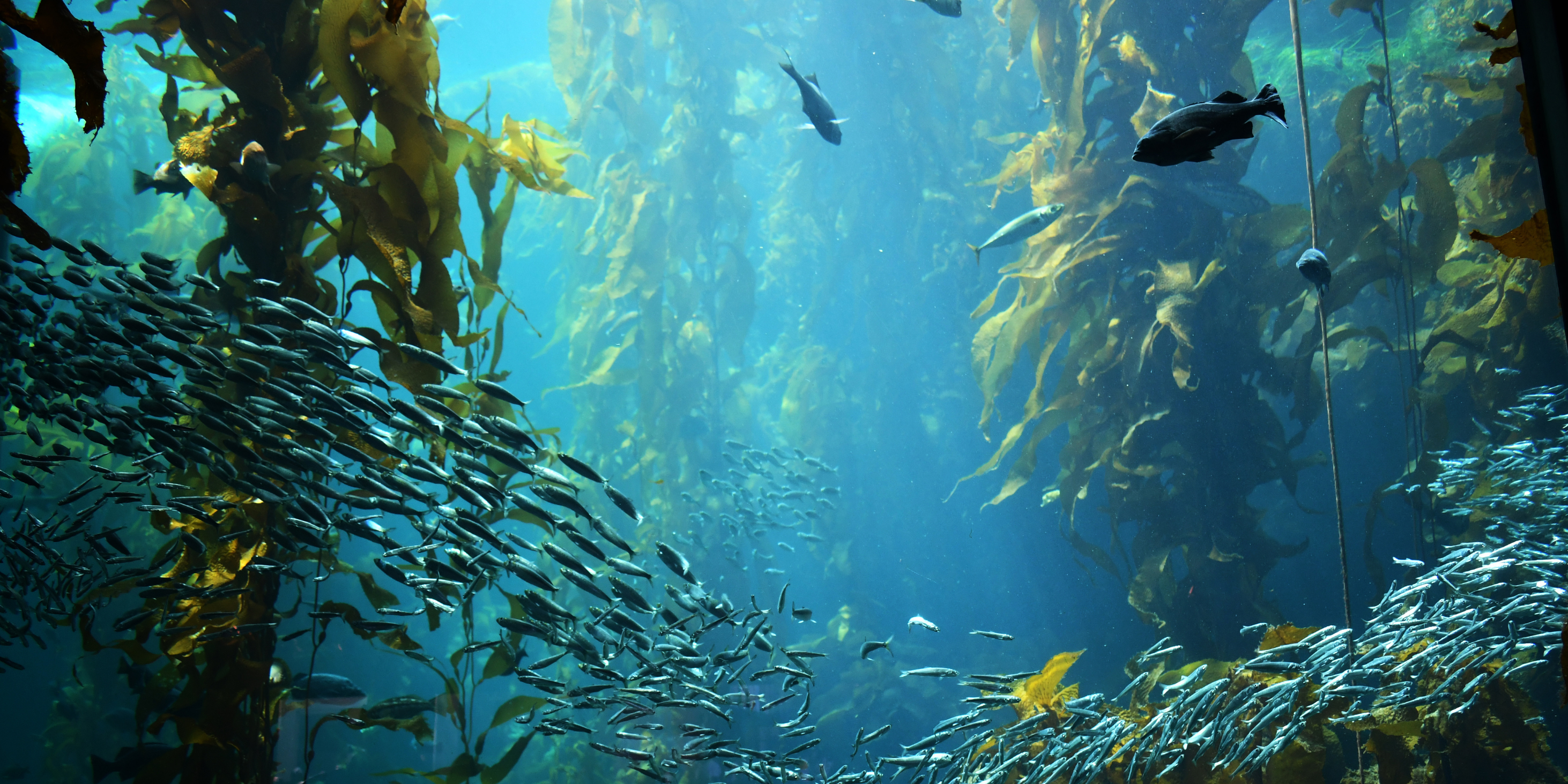
When we think of forests, we usually imagine towering trees, dense canopies, and life buzzing between branches. But some of the most important forests on Earth don’t grow on land at all. They grow beneath the ocean’s surface, quietly shaping the health of our planet.

These are kelp forests vast underwater ecosystems that line coastlines around the world. Often called the “forests of the sea,” kelp forests support marine life, store carbon, protect shorelines, and play a surprisingly important role in the fight against climate change. Though most of us never see them, their health is deeply connected to our own and even to the everyday choices we make at home.
What Is a Kelp Forest?
A kelp forest is a marine ecosystem formed by large brown seaweeds that anchor themselves to rocky seabeds in cold, nutrient-rich waters. Instead of roots, kelp uses structures called holdfasts to cling to rocks while its long blades grow upward toward sunlight.

Some kelp species can grow astonishingly fast up to half a meter per day making them among the fastest-growing plants on the planet. As they grow, they form dense underwater canopies that closely resemble terrestrial forests in both structure and function.
Like bamboo forests on land, kelp forests regenerate quickly and create layered habitats. From the ocean floor to the water’s surface, different species occupy different levels, forming a complex and highly productive ecosystem.
Underwater Forests and Marine Biodiversity
Kelp forests are among the most important marine biodiversity hotspots on Earth. They provide food, shelter, and breeding grounds for thousands of species, including fish, crustaceans, mollusks, sea otters, seals, and seabirds.
These underwater forests support entire food webs. Juvenile fish hide among kelp blades to avoid predators, while larger species rely on kelp ecosystems for feeding and reproduction. In many coastal regions, healthy kelp forests are directly linked to strong fisheries and local livelihoods.

Because of this, kelp forests are not only ecological treasures they are also economically and culturally important parts of coastal ecosystems around the world.
Ecosystem Services Provided by Kelp Forests
Like forests on land, kelp forests provide essential ecosystem services that benefit both nature and people.
Coastal Protection and Water Quality
Dense kelp canopies slow ocean currents and absorb wave energy, helping protect shorelines from erosion and storm damage. As climate change increases sea levels and intensifies storms, this natural protection becomes even more valuable.
Kelp also improves water quality by absorbing excess nutrients and pollutants, creating clearer and healthier marine environments.
Why Kelp Forests Matter for Climate and Sustainability
One of the most powerful and least known roles of kelp forests is their contribution to carbon sequestration in oceans.
As kelp grows, it absorbs carbon dioxide from seawater. When pieces of kelp naturally break off and sink into deeper waters, a portion of that carbon is stored long-term on the ocean floor. While scientists are still refining exact numbers, kelp forests are increasingly recognized as an important nature-based climate solution, working alongside mangroves, seagrasses, and salt marshes.
This efficiency mirrors something we already value on land: fast-growing, renewable materials that capture carbon as they grow. Bamboo is one example. Like kelp, bamboo grows rapidly, regenerates without replanting, and has a lower environmental footprint than many traditional materials.
Seeing these parallels helps connect ocean conservation to sustainable living and reminds us that climate solutions don’t exist in isolation.
Threats Facing Kelp Forests Worldwide
Despite their importance, kelp forests are disappearing in many parts of the world.
Climate Change and Ecosystem Imbalance
Rising ocean temperatures, marine heatwaves, pollution, and ocean acidification place enormous stress on kelp ecosystems. In some regions, warming waters prevent kelp from growing at all.

Overfishing can also disrupt predator-prey relationships. When predators decline, sea urchin populations can explode, overgrazing kelp beds and turning thriving underwater forests into barren seascapes.
Human Pressure on Coastal Ecosystems
Coastal development, sediment runoff, sewage discharge, and plastic pollution further weaken kelp forests and the biodiversity they support. These impacts often originate on land but ultimately affect ocean health.
Restoration and the Role of Seaweed Farming
One promising response to kelp loss is seaweed farming done responsibly.
As a form of sustainable aquaculture, seaweed farming can support habitat recovery, enhance biodiversity, improve water quality, and reduce pressure on wild fisheries. When carefully managed, it offers a way to produce food and materials while contributing to ocean conservation rather than harming it.

Around the world, restoration efforts are showing signs of hope. Along the California coast, targeted projects have helped revive kelp forests damaged by marine heatwaves. In South Africa and Namibia, vast kelp ecosystems continue to support fisheries and coastal communities, demonstrating the resilience of these underwater forests when given the chance to recover.
Sustainable Choices on Land, Healthier Oceans Below
The health of kelp forests is closely tied to decisions made far from the shoreline.
Reducing plastic use, cutting carbon emissions, supporting renewable energy, and choosing sustainable materials all help protect marine ecosystems. Pollution and greenhouse gases don’t stay on land they eventually reach the ocean.
Simple actions also matter. Everyday routines like brushing your teeth can have an environmental impact when we’re mindful about water use such as turning off the tap for those two minutes.
Materials like bamboo reflect the same principles that make kelp forests so powerful: rapid renewal, carbon absorption, and low environmental impact. Choosing eco-conscious products made from renewable resources supports a lifestyle aligned with ocean conservation.

At MABLE, our bamboo-based, eco-friendly products are rooted in these values responsible growth, renewable materials, and long-term environmental care. While small on their own, these everyday choices add up, reinforcing a broader commitment to sustainability that reaches from our homes to the sea.
The Importance of Safeguarding Coral Reefs
Coral reefs are not just beautiful underwater ecosystems they are vital to life in our oceans. They support countless marine species, protect shorelines from erosion, and play a key role in maintaining ocean health.
By promoting responsible marine practices, reducing pollution, and supporting conservation initiatives, we can help ensure these fragile ecosystems thrive. Protecting coral reefs today means securing healthier oceans and a more sustainable planet for generations to come



Share:
How to Create a Sustainable Bathroom Sanctuary
Marine Protected Areas: Special Ocean Zones That Help Life Thrive