
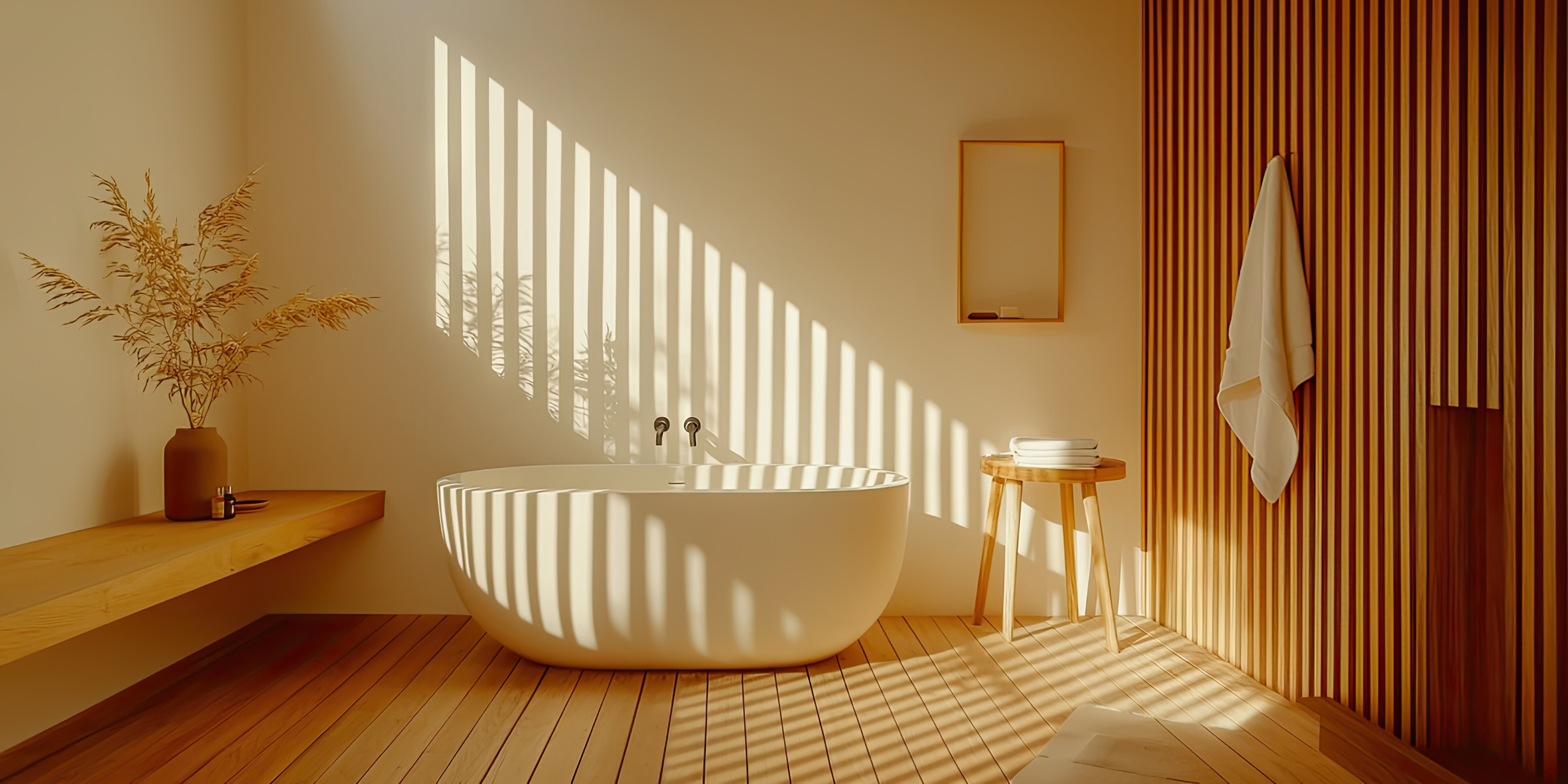
In our busy, always-on lives, the bathroom is often the first place we step into each morning and the last place we visit before bed. These quiet moments brushing our teeth at sunrise or washing the day away at night set the tone for how we begin and end each day. That makes the bathroom more than a functional space; it becomes a daily ritual, a moment of pause, and an opportunity to reconnect with ourselves.
A truly calming bathroom sanctuary is created where serenity and sustainability meet. When we choose natural textures, soothing colors, and eco-conscious essentials, we don’t just elevate the look of the space; we transform how it feels. Sustainability doesn’t have to mean sacrificing comfort or style often, it enhances both. Even the smallest changes can have a powerful impact on your mindset and on the world around you.
Whether you’re planning an eco-friendly bathroom remodel or simply refining your daily habits, these ideas will help you turn your bathroom into a peaceful, sustainable retreat that supports both your wellbeing and the planet. Small swaps like bamboo toothbrushes, refillable floss, or glass dispensers can dramatically reduce waste while elevating your daily routine.
1. Declutter and Simplify: The Minimalist Start
A sustainable bathroom sanctuary begins with less. Minimalism isn’t just an aesthetic choice: it’s a powerful way to reduce your environmental footprint while creating a calmer, more intentional space. By simplifying what you keep and use, you naturally move away from overconsumption and toward mindful, planet-friendly habits.
Why minimalism supports sustainability:
A clutter-free bathroom encourages you to buy only what you truly need. Fewer products mean less packaging, less plastic waste, and fewer items ending up in landfill. When you stop overbuying and chasing trends, you also reduce the environmental cost of production, transport, and disposal. Minimalism helps break the cycle of compulsive consumption and replaces it with conscious choice.
Practical minimalist steps for an eco-friendly bathroom:
-
Remove old bottles, expired products, and excess packaging you no longer use.
-
Choose multi-use essentials, such as an all-purpose balm or a gentle soap suitable for both body and face.
-
Replace disposable items with reusable or compostable alternatives.
-
Use refillable containers for soap, shampoo, and body wash to cut down on single-use plastic.
-
Keep only everyday essentials on your countertop, stored in simple trays, jars, or ceramic containers for visual calm.
These small but intentional changes create a more peaceful bathroom while actively reducing waste, packaging, and unnecessary consumption. Over time, minimalism transforms not only how your space looks, but how responsibly you care for both yourself and the planet starting with everyday essentials, like a bamboo toothbrush and refillable floss.
2. Add Life: The Best Houseplants for Bathroom Air and Ambiance
Bringing houseplants into your bathroom is one of the simplest ways to create a space that feels alive, calming, and sustainable. Soft green tones, gentle movement, and fresh earthy scent help slow your senses, turning everyday routines into moments of calm. At the same time, plants naturally improve air quality without the need for synthetic sprays or plug-in fresheners.

Many indoor plants thrive in warm, humid environments and require minimal care, water, and resources. Unlike disposable décor or artificial fragrances, living plants last for years and reduce waste. For more inspiration, see our guide to indoor plants for sustainable homes.
Recommended houseplants for bathroom spaces:
-
Peace Lily – Naturally purifies the air, loves humidity, and thrives in low light.
-
Pothos – Nearly indestructible, with cascading green vines that soften hard surfaces.
-
Boston Fern – Perfect for moisture-rich spaces, adding lush texture and movement.
-
Spider Plant – Known for improving indoor air quality and easy maintenance.
-
Lucky Bamboo – A low-maintenance symbol of calm, simplicity, and balance.
Quick care tips for bathroom plants:
-
Place plants where they can enjoy steam and light, but away from direct water spray.
-
Mist occasionally if humidity drops.
-
Use pots with drainage, or water-filled glass vases for bamboo.
The result is a spa-like bathroom that feels fresher, calmer, and more connected to nature without creating unnecessary waste.
3. Choose Natural Materials for Accessories and Decor
The materials you choose for your bathroom accessories influence more than just appearance they directly impact your environmental footprint. This philosophy is central to MABLE’s approach: using bamboo not as a trend, but as a renewable, durable material for everyday oral care.

Natural materials tend to be longer-lasting and less chemically processed than synthetic alternatives, meaning fewer replacements, less packaging waste, and a lower carbon footprint over time. Their tactile quality smooth, textured, or warm to the touch also adds a subtle, sensory calm.
Sustainable materials to incorporate into your bathroom:
-
Bamboo – Fast-growing and renewable, bamboo requires minimal resources to produce. It’s strong, naturally antibacterial, and an ideal alternative to plastic for toothbrushes, organizers, and storage.
-
Glass – Fully recyclable and endlessly reusable, glass reduces single-use plastic while adding a clean, light-reflecting elegance to jars, dispensers, and containers.
-
Ceramic – Durable and long-lasting, ceramic resists wear and doesn’t leach chemicals, making it perfect for soap dishes, trays, and canisters that stay beautiful for years.
-
Stone or Wood – These materials bring grounding, earthy textures into the space. When responsibly sourced, they offer longevity and timeless design with a lower environmental impact than synthetic décor.
By choosing natural materials, you move away from disposable, plastic-heavy accessories and toward thoughtful pieces designed to last supporting sustainable living through smarter, long-term choices.
4. Opt for Refillable or Compostable Bathroom Products
Adopting a circular mindset is one of the most effective ways to create a sustainable bathroom. Refillable and compostable products keep materials in use longer and drastically reduce landfill waste.

Your oral care routine is an ideal place to start. A MABLE bamboo toothbrush paired with refillable, compostable floss replaces plastic-heavy items with renewable alternatives. Bamboo grows quickly without pesticides or excessive water and offers durability during use with a lower environmental impact at the end of its life.
Simple zero-waste swaps:
-
Shampoo and conditioner bars that eliminate plastic bottles entirely
-
Refillable soap dispensers that reduce repeat packaging waste
-
Solid body soaps with minimal or compostable wrapping
-
Reusable cotton pads that replace disposable alternatives
-
Stainless steel safety razors built to last for years, not months
-
Zero waste bathroom products such as reusable jars and compostable swabs
These small changes towards zero-waste, help establish a circular routine where products are refilled instead of replaced, and compostable materials return harmlessly to the earth. Over time, this approach not only reduces waste and plastic pollution but also reshapes daily habits into more conscious, sustainable rituals.
MABLE’s bamboo toothbrush is designed for easy end-of-life disposal simply remove the bristles before composting the handle. Paired with refillable floss, it eliminates the need to throw plastic oral-care tools into the trash every few months.
5. Soft Lighting and Natural Scents
Soft lighting and natural scents can completely shift the atmosphere of a bathroom. The warm glow of candlelight softens hard surfaces, while botanical aromas help the body unwind and the mind slow down. Pair natural scents with gentle background sound music, rain, or nature tracks for a full sanctuary experience.

Many synthetic air fresheners and fragranced candles release volatile organic compounds (VOCs) and artificial chemicals contributing to indoor air pollution and unnecessary plastic waste. Natural alternatives are gentler on both your health and the planet.
Non-toxic ways to create ambiance:
-
Soy or beeswax candles instead of paraffin-based candles, which burn cleaner, produce fewer toxins, and create a soft, ambient glow.
-
Essential oil diffusers using calming scents like lavender, eucalyptus, cedarwood, or citrus derived from plants rather than synthetic fragrance blends.
-
Natural air fresheners such as baking soda jars, dried eucalyptus, or essential oil–based sprays that neutralise odours without releasing harmful chemicals.
6. Textiles and Finishes: Choose Natural Fibers
Textiles shape both comfort and design. Choosing towels, bath mats, and robes made from natural materials creates a bathroom that feels warm, calming, and intentional.
Organic cotton and linen are durable, biodegradable, and shed fewer microplastics than synthetic fabrics. They’re produced with fewer harsh chemicals and last longer, reducing waste over time.
Natural textile choices:
-
Organic cotton towels – Soft, absorbent, and breathable, they age beautifully and feel gentle on the skin.
-
Linen robes – Lightweight and temperature-regulating, linen adds an effortless, relaxed elegance.
-
Natural fiber bath mats – Made from cotton, jute, or other plant-based fibers, they provide texture underfoot without synthetic materials.
-
Unbleached cotton shower curtains – A clean, understated alternative to plastic curtains, offering a softer visual flow.
Natural textiles soften hard surfaces and create layers of visual warmth. Neutral tones, subtle textures, and breathable fabrics help transform the bathroom into a calm, cohesive retreat. These textiles shape the moments you begin and end your day, reinforcing sustainability as a lived, tactile experience.
By choosing natural fibers, you invest in pieces that look better over time, feel better in daily use, and support a more sustainable way of living, proving that comfort, style, and environmental responsibility can coexist seamlessly.
The Ritual of Care
Creating a sustainable bathroom sanctuary is about intention. It’s about shaping the quiet moments at the start and end of each day with choices that care for both your wellbeing and the environment.

Choosing bamboo instead of plastic. Reaching for natural scents over synthetic fragrances. Using fewer, better-designed products that are made to last. Together, these choices reduce waste, and turn routine into restoration.
This philosophy sits at the heart of MABLE, making sustainable living simple, beautiful, and effortless. With intention, your bathroom becomes more than a functional space. It becomes a daily ritual of care: grounding, restorative, and quietly sustainable. By choosing essentials like MABLE’s bamboo toothbrush and refillable floss, even the smallest routines become acts of care for yourself and the planet.

Share:
What Really Happens to Donated Clothes? The Hidden Journey No One Talks About
Forests of the Sea: How Kelp Forests Protect Our Oceans and the Planet