
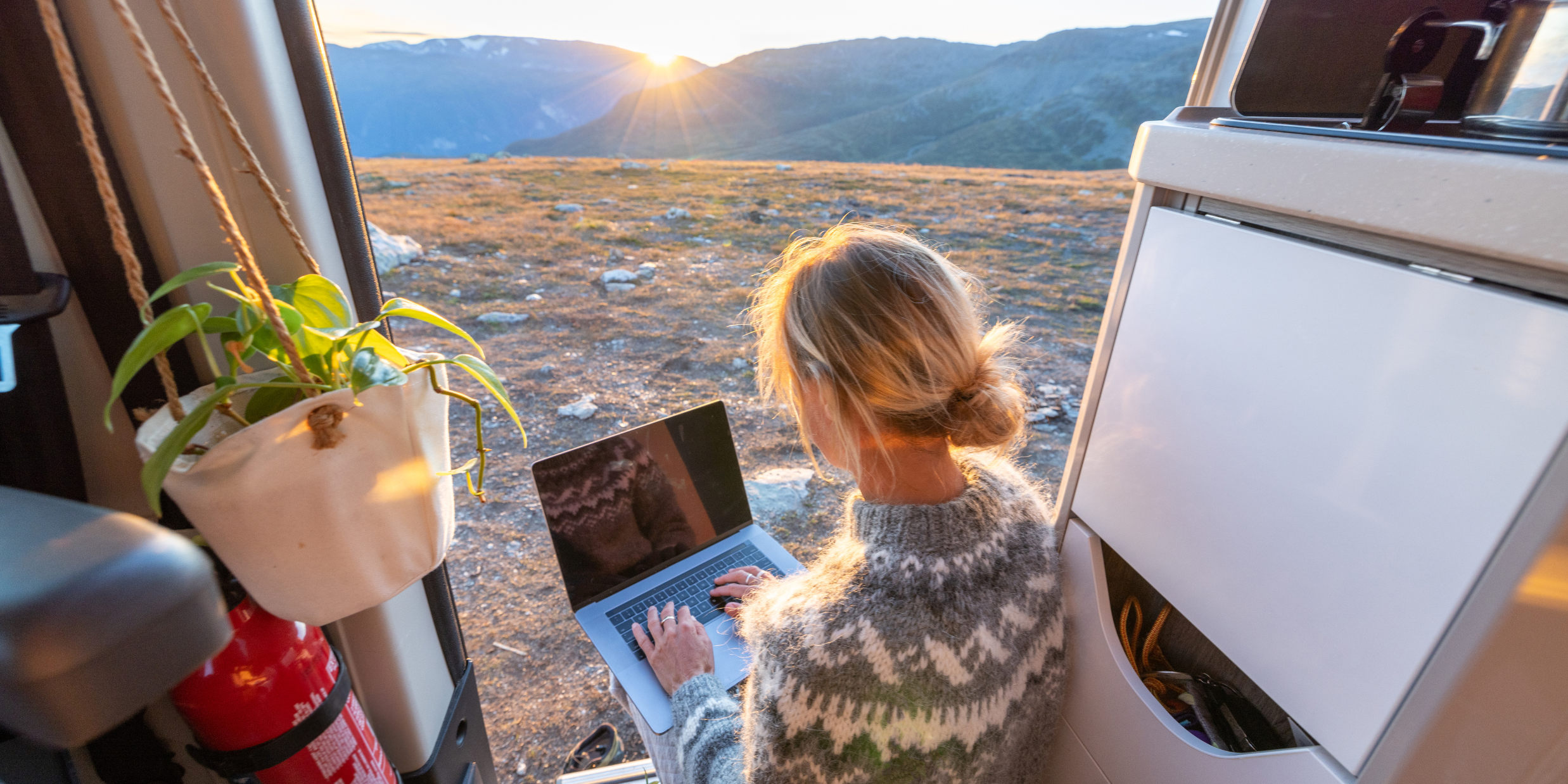
Running an online business from anywhere in the world sounds appealing, but managing a physical product company remotely comes with a different set of challenges. Inventory still needs to be monitored, products must be manufactured and shipped, customer concerns need timely attention, and unexpected supply-chain issues can arise even when you are thousands of miles away.
At MABLE, we have learned that running a product business while traveling is possible, but only with the right systems, trusted partners, clear communication, and a team that understands how the business operates. It was not something we achieved overnight. It took years of hands-on experience, established supplier and logistics relationships, and a gradual transition from working together in an office to managing the company remotely.

In this article, Emma Grose, MABLE's Co-founder and CEO shares an honest look at how MABLE runs remotely including how to manage inventory and suppliers, use technology and automation, develop sustainable products, respond to operational problems, and maintain a realistic balance between work and travel.
Can a physical product business really be run remotely?
1. Was MABLE always intended to be a remotely managed company?
No. We started MABLE out of our one-bedroom apartment in San Francisco and then eventually moved into an office. The nature of selling a physical product means managing shipping, returns, and warehousing, so in the beginning, being remote didn’t seem possible. However, in early 2019, the three founders started to talk about the idea of going remote. We were all looking for a change, and we already had a 3PL managing some fulfillment. Then COVID-19 hit, and it completely disrupted everything. Suddenly, we were all forced to be remote, and luckily for us, we had already begun planning for this.
2. Can you genuinely run a physical product company while traveling?
Yes, but you need the right team and systems in place. It would be very difficult to start and run a physical product business remotely from day one. In my opinion, you need a complete understanding of your business, logistics, and customer expectations before you can go remote. Our team had already worked together in person in an office, and we had established strong relationships with fulfillment, logistics, and other partners.
3. Which parts of MABLE still require your direct attention?
Many things. Working remotely doesn’t mean you get to check out of the business; it just means managing it from somewhere else. I still actively manage finances, product development, creative direction, supplier decisions, brand voice, and logistics.
Inventory, suppliers and remote operations
4. How do you manage inventory when you are not physically at the warehouse?
A lot of spreadsheets! Luckily, with today’s technology, a large part of inventory management lives in apps or dashboards where you can log in and see real-time inventory. This helps me know which products are located at which warehouse.
The harder part is combining that information with sales projections, freight in transit, purchase orders, and reorder timing. You don’t always have real-time information on purchase orders or when they’ll be ready, so you rely on your supplier to communicate clearly. That often means being proactive and setting reminders.

You also don’t have control over freight transit times and are often at the mercy of weather, wars, or port delays. If you aren’t checking that things are on schedule, you can easily lose a few weeks because your container got bumped.
AI is becoming a game changer for bringing this information together so that spreadsheets can talk to each other, since not many platforms or software programs truly solve inventory and logistics headaches.
If I spot a problem in the data, I’ll check in with the warehouse or our shipping staff to do a physical recount or inspection, especially if we’re seeing a repeated issue with quality or shipping errors.
6. What systems, tools or routines keep MABLE running from different locations?
For internal communication, we use Slack. We’re also big fans of using Google Drive to collaborate on documents and spreadsheets. We use Pipedrive as our sales CRM, and Zapier to connect our online sales platform, Shopify, with our CRM. For finances and issuing purchase orders, we use QuickBooks Online. For inventory, we use spreadsheets and QuickBooks.
We do a monthly team check-in where we discuss challenges, brainstorm solutions, and get fresh perspectives. We also have weekly one-on-ones with founders, plus monthly one-on-ones or as-needed calls with other staff members.
Working remotely requires discipline, and I find keeping a routine helpful to make sure work gets done and I’m not lured off to explore. Personally, I keep a similar routine wherever I go; I just change the location and activities depending on where I am.
7. What have you automated or delegated and what should never depend entirely on the founder?
Day to day customer service, shipping and operations should be able to operate without a founder so orders keep shipping and things keep moving even when a founder isn’t present. Areas that are easy to delegate are customer service, Shipping and fulfillment, social media, book keeping, email marketing, Amazon management, paid advertising.
8. How do you handle problems such as low stock, shipping delays or customer complaints while you are away?
In my experience, it’s always best to be upfront and honest with customers. We take ownership when mistakes are made and try to provide solutions that keep customers happy. For example, if a toothbrush SKU is out of stock, we will usually mark it as out of stock on our website. If a few orders slip through, we will email the customer and ask if they are happy to wait for the product to arrive or if they prefer a refund. Managing expectations is key.
Building a sustainable product brand
9. What does running a sustainable oral-care brand mean to you in practice?
It means trying to do better: choosing more sustainable materials without compromising on performance, asking suppliers questions you may not always want the answers to, understanding what test results mean, and knowing what to look for in ingredients when evaluating safety.

I think it’s really easy to greenwash as a brand and tell your customers what they want to hear, or what all the other brands are saying, even when that information isn’t true. It’s about trying to uphold your values while also making sales, because the reality is that owning a sustainable business is only sustainable if you can afford to keep it running, keep employing people or contractors, and keep giving back to the community.
10. How do you balance sustainable materials with product performance and convenience?
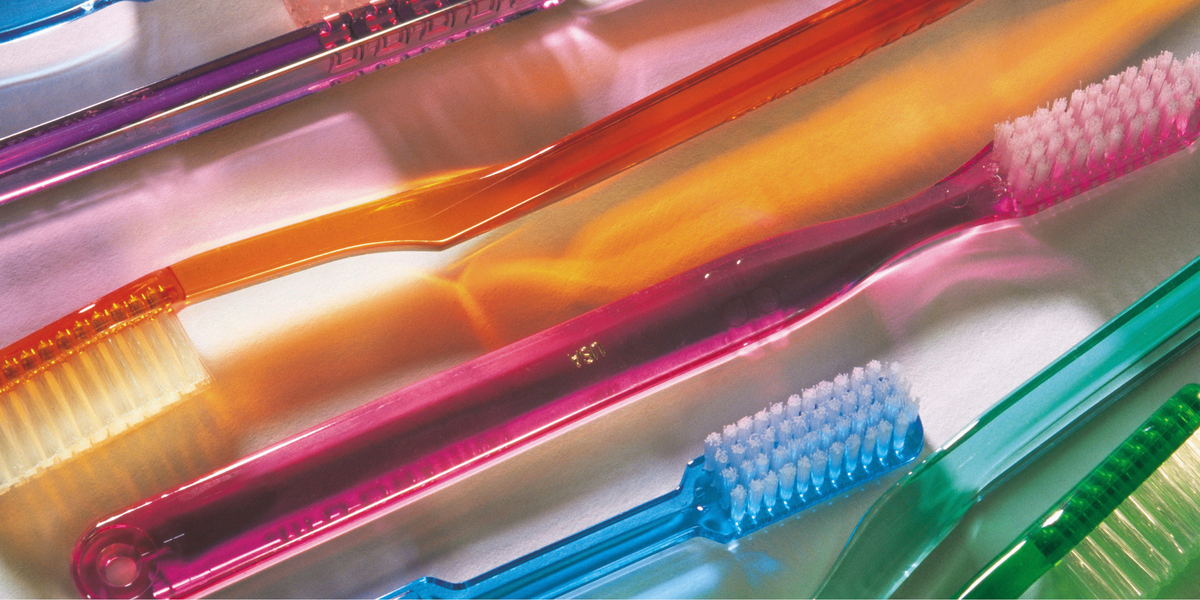
This is always a challenge, as more sustainable materials often come with trade-offs compared to their plastic counterparts. A perfect example is our MABLE bamboo toothbrush. We’d love for it to be 100% biodegradable, but that would mean using animal-hair bristles. We’ve tested those and found they aren’t very soft, have a weird smell and taste, and we haven’t been able to find suppliers who can clearly document sanitization or whether they meet animal welfare standards.
Our compromise has been switching to a plant-based nylon derived from castor bean oil. The truth is that castor bean nylon is still a form of plastic, but it is not reliant on fossil fuels and is a step in the right direction. It also performs just as well as regular nylon, so it is gentle on your teeth and gums.
We are always testing new eco bristle alternatives, but if they aren’t safe or the supplier documentation isn’t there, we have to wait for a future alternative.
11. What have products such as bamboo toothbrushes, plastic-free floss and bamboo cotton swabs taught you about developing eco-friendly products?
Test, test, test. When in doubt, give the product to a diverse range of people to test and ask for feedback. This helps check quality and performance, while also giving you different perspectives.
For example, our new electric heads for Oral-B went through four rounds of improvement to get the fit right. If we had purchased the first design, we would have ended up with tons of complaints, refunds, and worse, a damaged reputation.
When customers write in with a product complaint, we take it seriously. If we see a pattern, we make sure to change the design and always share quality feedback with our manufacturers. Photos and videos of a defective product often highlight exactly what needs to be improved.
As we’ve gained more experience producing eco-friendly products, we’d also rather order a small trial amount from a supplier to test the market than place a big order and find there is a massive issue with the product.
12. How do you decide whether a new sustainable bathroom product is worth developing?
We ask ourselves: Is it solving a problem? Is it a good product? Is there customer demand?
Sometimes we ask our wholesalers for feedback to see if their customers are asking for particular products, or if they would buy the products. It’s also important to consider shelf life, safety, and legal requirements for a product.
For example, toothbrushes are considered a medical device, and even to import the product, we must be FDA-registered. This now costs around $12,000 per year, which is a huge expense for a small business.
You also have to look at the product margins: how much it costs to make and ship, and whether the consumer or wholesale client will still buy it once you add your profit margin. Sometimes a new product can be too expensive to develop or produce, and the customer just won’t see the value.
13. How does the Buy Give Teach program connect product sales with MABLE’s wider mission?
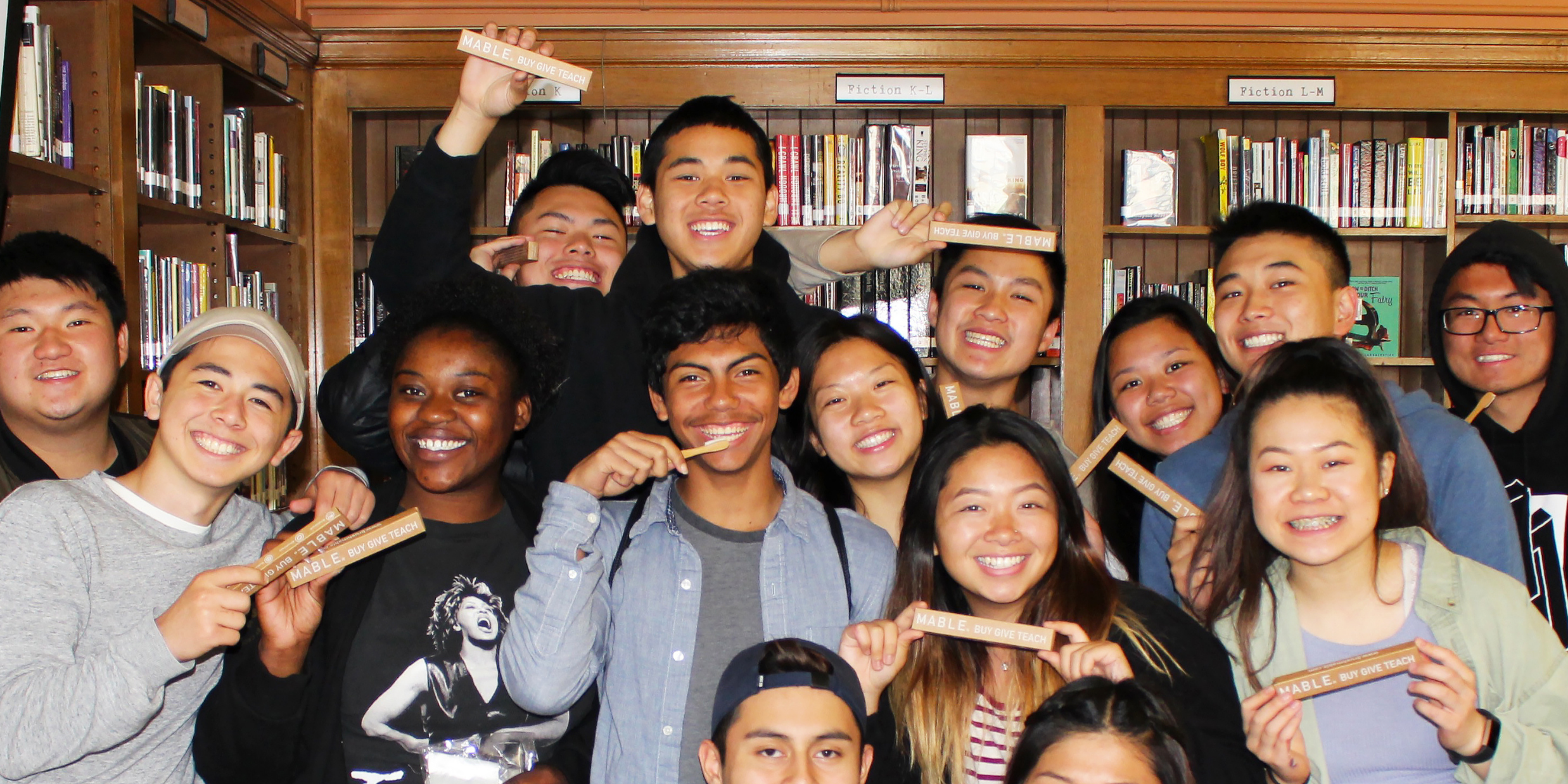
From the moment we started MABLE, we always incorporated this give-back idea. In the beginning, when we were starting out, we used to visit schools, do a sustainability presentation, and then gift bamboo toothbrushes to the students. The idea was to spread sustainability and give access to all people.
Ten years ago, sustainable products were significantly more expensive, which made them inaccessible to a lot of people. Now our Buy Give Teach program has expanded to organizations and nonprofits that are improving people’s lives or the environment within their communities. This could be a beach clean-up, homeless shelter, or bringing dental care to underserved communities.
We donate one bamboo toothbrush for every online purchase. When I’m struggling for motivation and asking myself, “Why am I still doing this?” that is the reason that keeps me motivate
Travel, routines and founder honesty
14. What does a normal working day look like when you are traveling?
It depends a little on the time zones. I prefer to be on or close to a US time zone to make my working day easier. I always eat breakfast first because I get hangry. Then, if I’m ahead of US time or on East Coast or Central time, it usually looks like a walk, beach swim, or workout in the morning, and then by 9–10 a.m., I’ve started work.
If I’m in my home country of New Zealand, I always wake up and I’m already a few hours behind, so I eat breakfast and jump straight in around 7–9 a.m. I try to work a solid 7–8 hours with a lunch break so I can catch a sunset, my favorite time of day. If I haven’t worked out in the morning, I’ll do a yoga class, take a walk, swim, or run to shake off the day.
Being my own boss obviously gives me flexibility to work whenever, but I try to stick to a normal-ish 9–5 day, Monday to Friday. If I have to fly or move on a workday, I try to make it later in the day so I can check my emails before I’m in the air.
15. How do you prevent work from taking over the travel experience?
I prefer slow travel, where I spend a month or a few weeks in one place so I can build a routine and engage with the local community. It also means I’m not constantly living out of a suitcase or hauling around a laptop, and I can establish a work routine and schedule meetings more easily.

You also have to have good, reliable internet so that it doesn’t stress you out. Often, that means picking a more populated place to base myself and exploring off the beaten path on the weekends.
I still have to make sure I put the hours in, and I try to keep boundaries around not checking emails or Slack when I’m off work for the day or weekend, unless there is an emergency. This allows me to enjoy my free time exploring a new place and culture.
16. What is the biggest operational mistake you have made or one that other product founders should avoid?
Ordering too much product and then having to pay storage fees for months, or even years, before it all sells. Sometimes this stuff is out of your control, or you’re going based on projections and you just get it wrong. It ends up costing you more money, then you have to figure out how to sell it, and it can even cause cash flow issues.
To avoid that, try to use historical data and real sales data to inform the inventory you’ll need. Undersupply causes just as many headaches and costs, so getting your predictions right is an art
17. Would you recommend starting a physical-product business with the goal of running it remotely?
For me, yes. It’s built a life I love, but I think it’s unrealistic to start a product business with this goal straight away. I’d also say I’m incredibly grateful to our warehouse staff and my co-founder, Alexey, who are permanently based somewhere and physically handle some of the paperwork and customer orders. If they weren’t helping, it would not be possible for me to travel and work on my own.
Don’t underestimate how hard it is to start a business. It’s usually years, or even a decade, of hard work before you have the flexibility to work remotely or travel and work.
18. What would you do differently if you were starting MABLE today?
I’d better understand the importance of diversification. Even if you just have one or two products, having different sales channels is important. There’s direct-to-consumer B2C, which is often how the business starts, then B2B or wholesale, which helps multiply your customers and creates advocates for you, and lastly, distribution or large retail chains.

You have to build up to being able to supply the volume and price of a big retailer, so establishing strong sales channels gives you more diversification in the market. COVID proved this was key, as big retailers shut down and canceled purchase orders, while direct customers were still able to shop with the store.
Having different streams of revenue helps protect us during market or consumer shifts.
Share:
The Bathroom Drawer Audit: What to Keep, Refill, Replace, or Finally Let Go
The “Use It Up First” Challenge: How to Make Sustainable Bathroom Swaps Without Wasting What You Already Own