

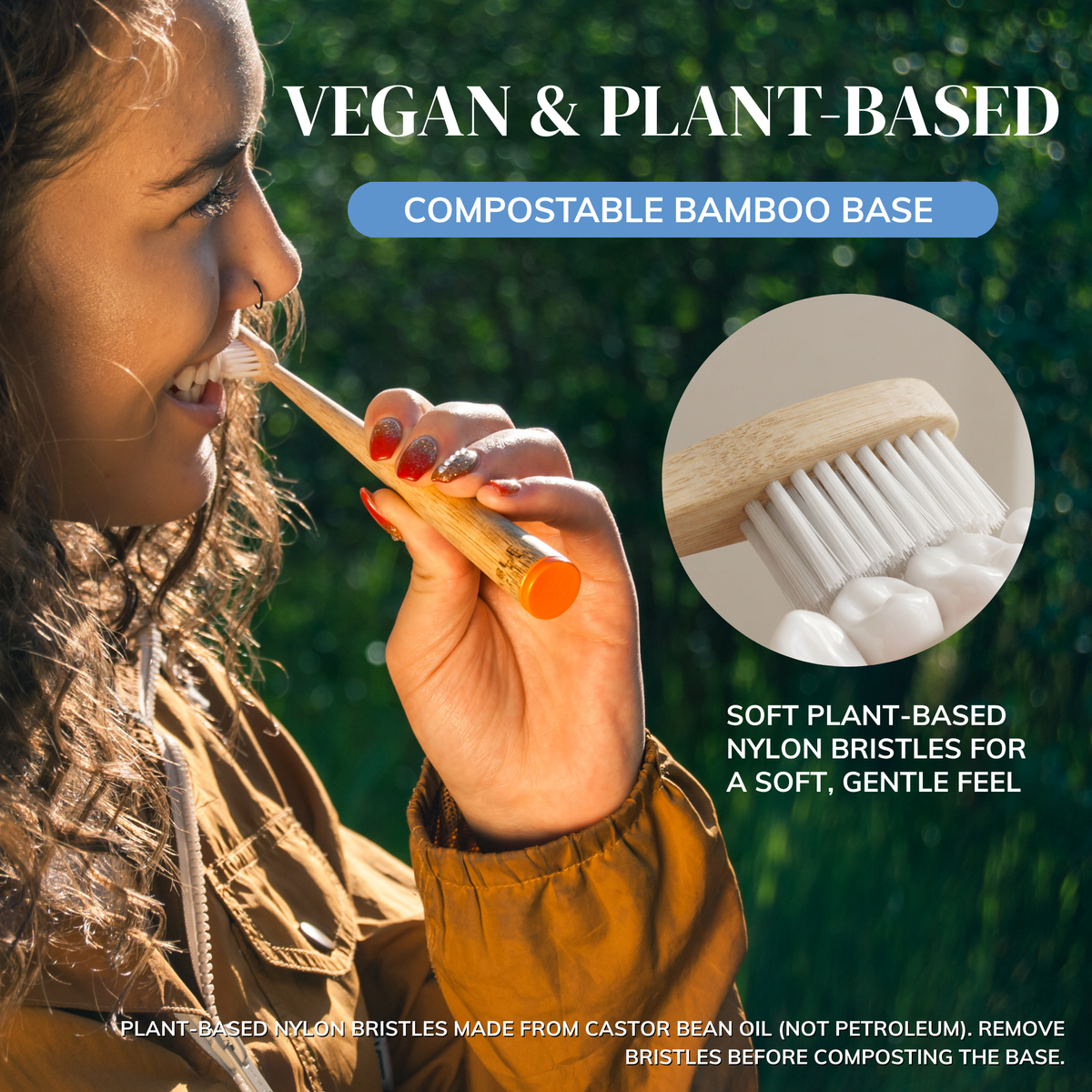
Most people should use a soft toothbrush. The American Dental Association recommends soft bristles because they remove plaque well without wearing down gums or enamel. Medium bristles do clean well, the ADA notes, but soft ones carry less risk of gum damage.
It feels like a harder brush should clean better. It usually doesn't, and here's why.
Why soft is the default
Plaque is soft and sticky, so it doesn't take stiff bristles to remove it. What removes it is time, meaning two minutes twice a day, and reaching every surface. Soft bristles also bend into the gap where your teeth meet your gums, which is where plaque builds up.
Stiffer bristles plus heavy pressure is a common cause of gum recession and worn enamel near the gumline. Once that's gone, it doesn't grow back.

When a medium brush can make sense
Some people simply prefer the firmer feel and brush with a light touch. If that's you, and your dentist hasn't seen any gum recession, a medium brush can work. The key is pressure. If your bristles splay out flat within a few weeks, you're pressing too hard, whatever the stiffness.
Who should stick with soft
- Anyone with sensitive teeth or gums
- People with gum recession or gum disease
- Anyone who knows they brush hard
- Kids, and people with braces or recent dental work
When in doubt, ask your dentist at your next cleaning.
Soft or medium toothbrush for braces?
Soft. Brackets and wires trap food, and soft bristles bend around them without irritating the gums. Many orthodontists also suggest a small interdental brush for cleaning under wires. Follow your orthodontist's advice first.
How to brush gently
- Hold the brush like a pen, not a fist.
- Angle the bristles at about 45 degrees toward the gumline.
- Use short, gentle strokes and let the bristles do the work.
- Brush for two minutes, twice a day.
What MABLE offers
Our bamboo toothbrushes come in Soft and Medium. The softest bristles are in our Charcoal Edition 2-Pack. The Daily Affirmation Four Pack is Soft too. All have a bamboo handle and bristles made from nylon or castor-bean-based nylon.
Two-packs are $8.99, and a 4-pack is $14.99, which is a year of brushes for one person at the three-month mark the ADA suggests (it says every three to four months).
Replace it on time
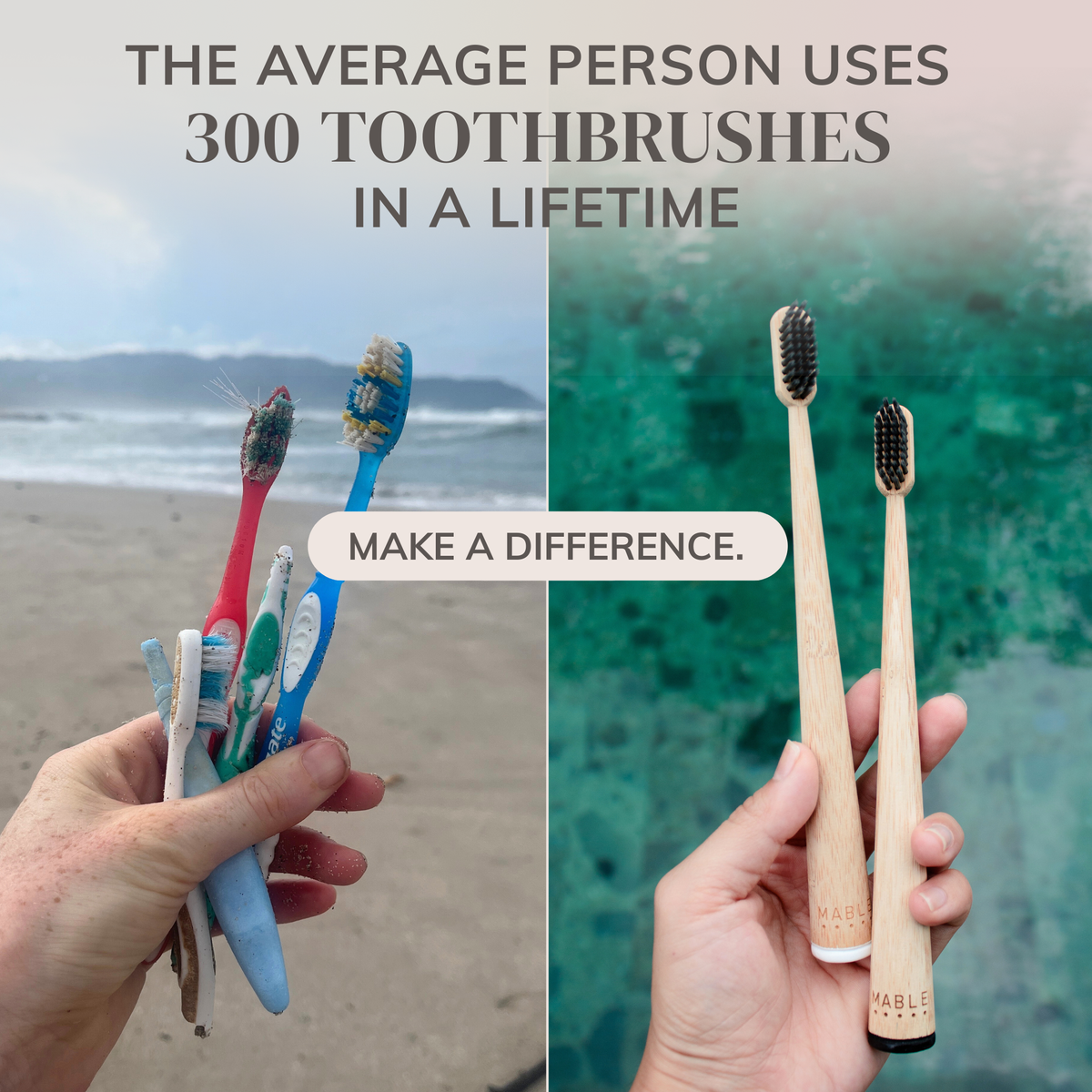
Whichever you pick, swap it every three to four months, or sooner if the bristles fray or after you've been sick. A worn brush cleans worse than either stiffness. When it's time, here's how often to change your toothbrush, and our plastic calculator shows how much plastic a bamboo switch keeps out of the trash each year.
Quick answers
Do soft toothbrushes clean as well as medium?
Yes, when you brush for two minutes and reach every surface. Soft bristles reach along the gumline better.
Can a hard toothbrush damage my teeth?
Hard bristles combined with heavy pressure can wear enamel and push gums back over time.
Should kids use soft brushes?
Yes. Soft bristles are the standard recommendation for children.
How do I know I'm brushing too hard?
If your bristles splay outward within a few weeks, ease up on the pressure.
Is a bamboo handle as hygienic as plastic?
Yes, if you let it dry upright between uses.
This article is general information, not dental advice. Your dentist knows your mouth best.
Share:
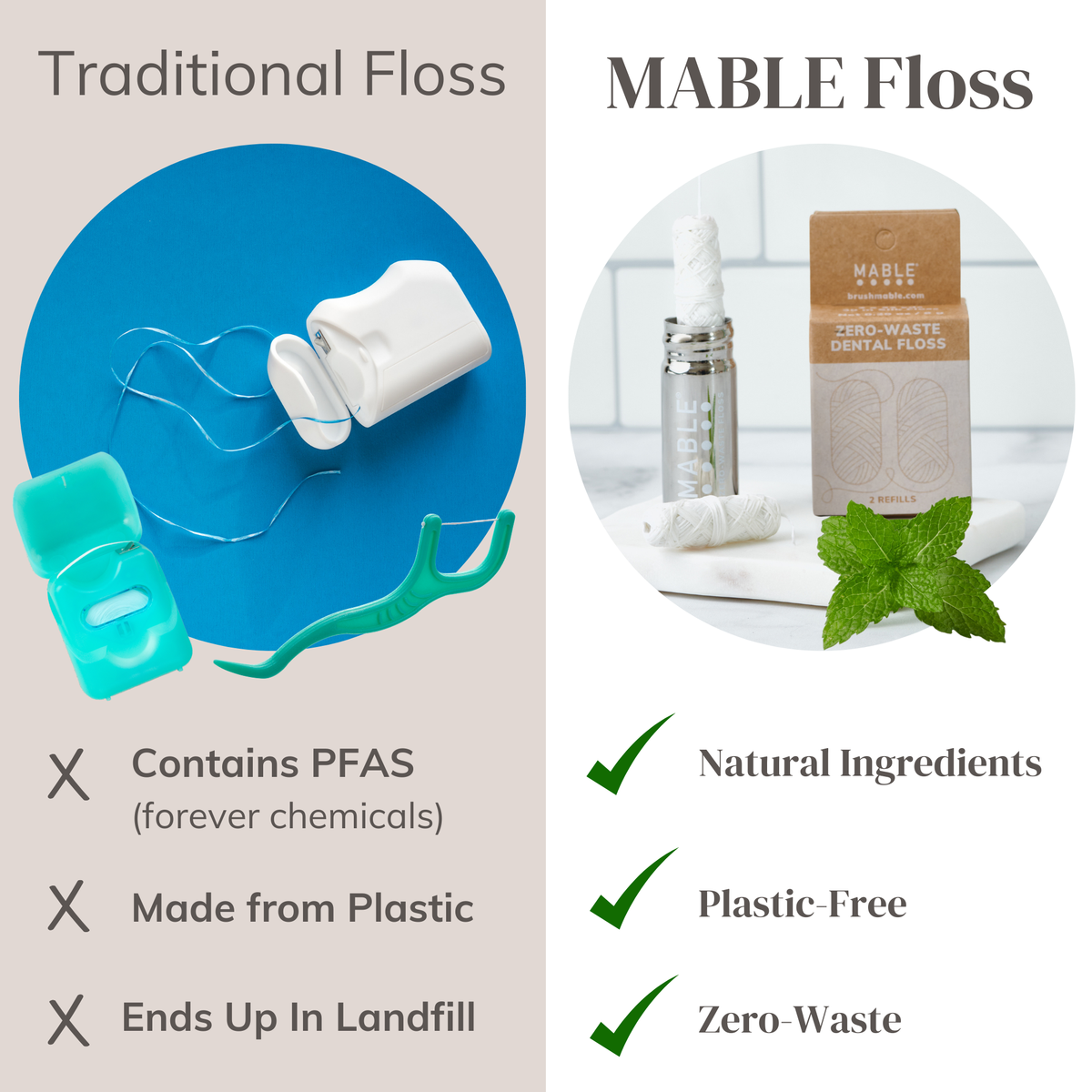
Silk vs Nylon Floss: Is Silk Floss Better Than Regular Floss?
How Many Plastic Toothbrushes End Up in Landfills?