
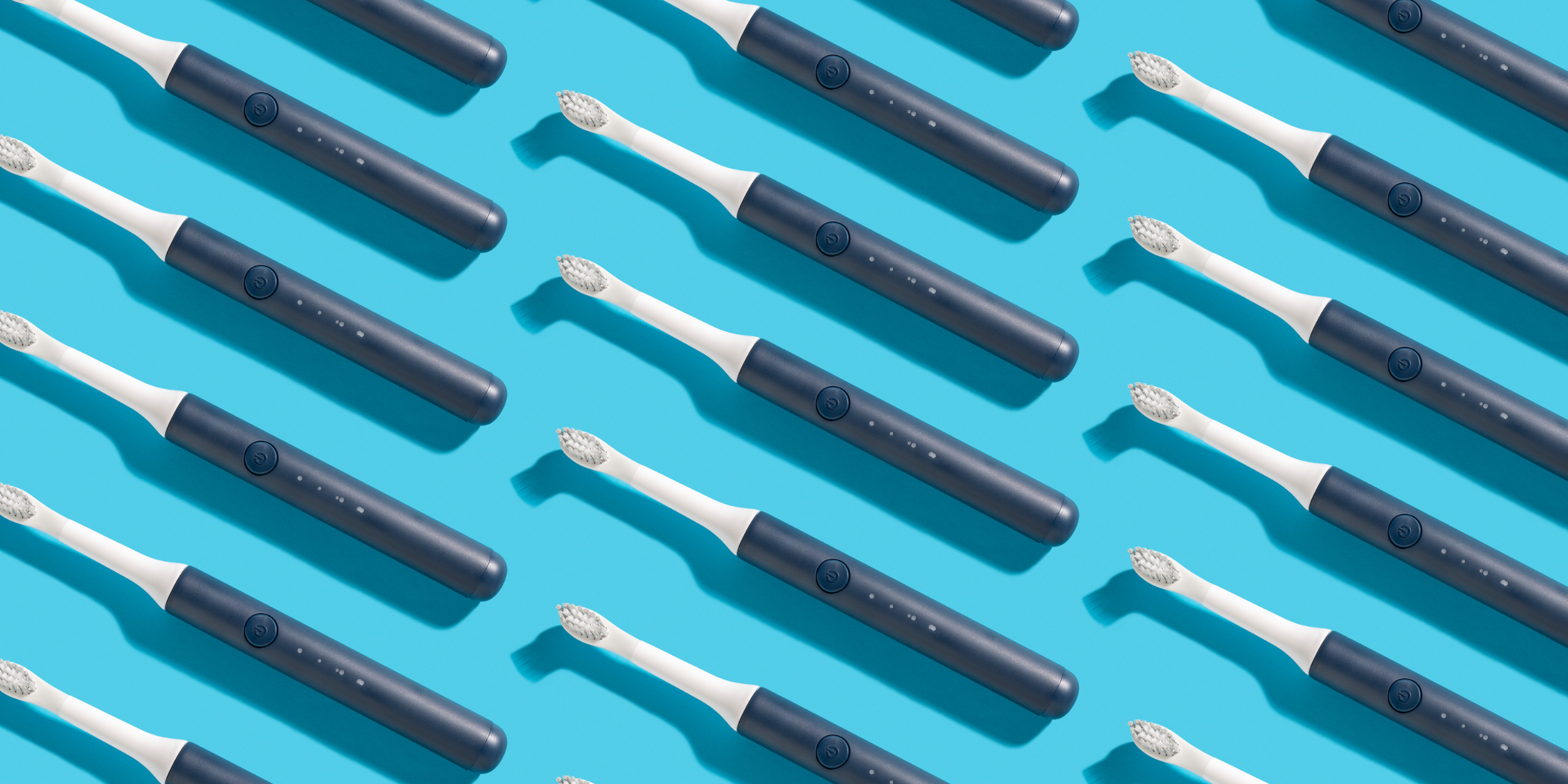
You buy an electric toothbrush once and expect it to last for years.
Then, a few months later, it's time to replace the brush head.
You open Amazon, Target, or Walmart and find yourself staring at replacement heads costing anywhere from $20 to $50 per pack.
Then you compare that with MABLE.
MABLE bamboo electric toothbrush heads start from around $19.99 for a 4-pack, which works out to about $5.00 per head for options like the MABLE Bamboo Toothbrush Head Compatible with Philips Sonicare and MABLE Bamboo Toothbrush Head Compatible with Philips One.

For some shoppers, that means MABLE is not only a lower-waste option, but also a better-value alternative to many brand-name replacement heads.
Naturally, you start asking:
Why are electric toothbrush heads so expensive?
It's a question millions of electric toothbrush users ask every year.
After all, these are relatively small products made from plastic. Why do they cost so much?
The truth is that you're not just paying for the materials. The cost includes compatibility engineering, manufacturing precision, packaging, distribution, brand positioning, and the fact that replacement heads are an ongoing purchase.
In this guide, we'll break down what actually drives electric toothbrush head costs, whether cheap generic replacements are worth considering, and how MABLE bamboo electric toothbrush heads offer a lower-waste alternative that can often cost less than major branded replacements.
Why Are Electric Toothbrush Heads So Expensive?
The biggest reason replacement heads feel expensive is that they are a recurring purchase.
Unlike a manual toothbrush, where you simply buy an entirely new brush every few months, electric toothbrush systems are designed around a reusable handle and replaceable brush heads.
Several factors contribute to the price.
Proprietary Attachment Systems
Most electric toothbrush brands use their own attachment mechanisms.
A Philips Sonicare handle uses a different connection system than Philips One. Oral-B uses a completely different design. AquaSonic, Gleem, and Laifen each have their own attachment requirements as well.

Because electric toothbrush heads are not universal, manufacturers must design and produce heads that fit specific systems accurately and securely.
Precision Manufacturing
Replacement heads need to fit perfectly.
A loose fit can affect brushing performance, vibration transfer, durability, and overall user experience.
That means manufacturers need to maintain precise tolerances during production.
Retail Markups and Distribution
When you buy replacement heads from major retailers, the price includes:
-
Manufacturing costs
-
Shipping costs
-
Warehousing
-
Retail margins
-
Packaging
-
Marketing expenses
All of those costs are reflected in the final price you see on the shelf.
Brand Premium
Well-known oral care brands invest heavily in advertising, product development, retailer partnerships, and brand awareness.
Consumers often pay a premium simply because they recognize the name and those companies have a monopoly on the category. .
The 3-Month Replacement Cycle Makes the Cost Feel Bigger
Part of the frustration isn't necessarily the cost of one replacement head.
It's how often you need them.
Dental professionals generally recommend replacing toothbrush heads every three months, or sooner if the bristles become worn, frayed, or after illness.
That means:
One Person
-
4 replacement heads per year
Family of Four
-
16 replacement heads per year
Even a small difference in cost per head can add up quickly.
That's why savvy shoppers focus on cost per head, not just package price.
Brand-Name Heads Often Cost More Because You're Buying Into a System
Many people specifically ask:
-
Why are Oral-B replacement heads so expensive?
-
Why are Sonicare replacement heads so expensive?
The answer is often tied to the business model.
Think of it like printers and ink cartridges.
The electric toothbrush handle is the long-term platform.
The replacement heads are the recurring purchase.
Manufacturers know that once you've invested in a particular toothbrush system, you'll likely continue purchasing compatible replacement heads for years.
That ongoing demand allows premium brands to maintain higher pricing.
Why Cheap Generic Plastic Heads Cost Less
If branded replacement heads seem expensive, you may notice plenty of low-cost alternatives online.
Why are they cheaper?
Mass Production
Many generic heads are produced in very large manufacturing runs using standardized molds.

Higher production volumes generally mean lower manufacturing costs.
Injection-Molded Plastic
Plastic is inexpensive to produce at scale.
Once the mold is created, manufacturers can produce thousands of identical brush heads quickly and efficiently.
Simpler Packaging
Many generic products use minimal packaging and spend less on marketing.
White-Label Manufacturing
Some generic replacement heads are produced by the same factories and sold under different brand names.
This helps reduce costs and increase competition.
That doesn't automatically make them bad.
Many consumers use generic heads successfully.
However, shoppers should always check:
-
Compatibility
-
Customer reviews
-
Return policies
-
Quality consistency
-
Fit and finish
Lower price doesn't necessarily mean poor quality, but it's worth doing your research.
Why Bamboo Electric Toothbrush Heads Cost More Than Cheap Plastic
A common question is:
"If generic plastic heads are so cheap, why do bamboo electric toothbrush heads cost more?"
The answer comes down to materials and manufacturing.
Bamboo Isn't Produced Like Plastic
A plastic brush head can be created through a simple injection-molding process.
Bamboo requires significantly more work.
The bamboo base must be:
-
Sourced
-
Shaped
-
Finished
-
Quality checked
-
Matched to precise compatibility standards
Because bamboo is a natural material, maintaining consistency requires additional care during manufacturing.
Sustainable Material Choices
MABLE bamboo electric toothbrush heads feature:
-
FSC-certified bamboo bases
-
Soft plant-based nylon bristles derived from castor bean oil
-
Plastic-free packaging

While the bristles are not fully biodegradable or compostable, they reduce reliance on traditional petroleum-based plastics.
Lower-Waste Design
MABLE bamboo electric toothbrush heads are not trying to be the cheapest plastic option available.
Instead, they're designed for consumers looking for a lower-waste alternative without sacrificing compatibility, comfort, or performance.
MABLE vs Brand-Name Replacement Heads: What Does the Cost Per Head Look Like?
One of the best ways to compare replacement toothbrush heads is to look beyond the package price and focus on cost per head.
This provides a much more accurate picture of long-term value.
Philips Sonicare-Compatible Heads
|
Product |
Pack Size |
Package Price |
Cost Per Head |
|
Philips Sonicare SimplyClean Replacement Heads |
4 Pack |
$32.99 |
$8.25 |
|
MABLE Bamboo Toothbrush Head Compatible with Philips Sonicare |
4 Pack |
$19.99 |
$5.00 |
In this comparison, MABLE costs approximately $3.25 less per head, representing around 39% lower cost per replacement head.
For households replacing brush heads multiple times each year, those savings can add up quickly.
Oral-B Compatible Heads
|
Product |
Pack Size |
Package Price |
Cost Per Head |
|
Oral-B CrossAction Replacement Heads |
4 Pack |
$39.99 |
$10.00 |
|
MABLE Bamboo Toothbrush Head Compatible with Select Oral-B Models |
4 Pack |
$26.99 |
$6.75 |
In this example, MABLE costs approximately $3.25 less per head, which works out to roughly 33% lower cost per replacement head.
Philips One-Compatible Heads
Not every comparison comes down to saving money.
Sometimes the value comes from materials and sustainability.
|
Product |
Pack Size |
Package Price |
Cost Per Head |
|
Philips One Replacement Heads |
2 Pack |
$9.99 |
$5.00 |
|
MABLE Bamboo Toothbrush Head Compatible with Philips One |
4 Pack |
$19.99 |
$5.00 |
In this comparison, the cost per head is virtually identical.
The difference is that MABLE offers:
-
FSC-certified bamboo bases
-
Plant-based nylon bristles derived from castor bean oil
-
Plastic-free packaging
-
A lower-waste alternative to traditional plastic replacement heads
Why Cost Per Head Matters
Many shoppers focus only on package price.
But a larger multipack often provides significantly better value over time.
Before purchasing replacement heads, compare:
-
Cost per head
-
Compatibility
-
Materials
-
Packaging
-
Long-term replacement costs
Doing the math can often reveal better value than the sticker price alone suggests.
How to Get a Better Deal on Replacement Toothbrush Heads
If you're trying to reduce your annual toothbrush costs, here are a few practical strategies.
Buy Multipacks
Multipacks often provide the lowest cost per head.
Compare Cost Per Head
Always divide the total package price by the number of heads included.
Verify Compatibility
Buying the wrong head wastes both money and time.
Always double-check your toothbrush model before ordering.
Replace Heads On Schedule
Waiting too long can reduce brushing effectiveness and compromise oral hygiene.
Are Lower-Waste Toothbrush Heads Worth It?
For many people, yes.
Traditional electric toothbrush heads contain a significant amount of plastic.
Considering most people replace heads every three months, that waste accumulates over time.
MABLE bamboo electric toothbrush heads offer a practical alternative by combining:
-
FSC-certified bamboo bases
-
Soft plant-based nylon bristles
-
Plastic-free packaging
-
Reduced plastic use
They may not be the cheapest option on the market, but they offer a balance of value, sustainability, and compatibility that many consumers appreciate.
Which MABLE Head Fits Your Toothbrush?
Electric toothbrush heads are not universal.

Choosing the right replacement head is essential.
Toothbrush Head Compatible with Philips Sonicare
Designed for most Sonicare click-on rechargeable handles.
Bamboo Toothbrush Head Compatible with Philips One
Designed specifically for Philips One toothbrush users.
Bamboo Toothbrush Head Compatible with AquaSonic
A lower-waste replacement option for AquaSonic users.
Bamboo Toothbrush Head for Gleem
Compatible replacement heads designed specifically for Gleem electric toothbrush handles.
Bamboo Toothbrush Head Compatible with Laifen
Designed for compatible Laifen toothbrush models.
Always check compatibility information before ordering. If a brush head doesn't fit easily, do not force it.
Bamboo Toothbrush Head Compatible with Oral-B
Designed for select Oral-B electric toothbrush handles, offering a lower-waste alternative without compromising your daily brushing routine.
The Bottom Line
So, why are electric toothbrush heads so expensive?
The answer goes far beyond plastic and bristles.
You're paying for proprietary attachment systems, precision engineering, manufacturing, packaging, distribution, and the ongoing nature of replacement purchases.
While branded replacement heads often come with premium pricing, that doesn't mean they're your only option.
For consumers looking for a balance of affordability, compatibility, and sustainability, MABLE bamboo electric toothbrush heads offer a compelling alternative.
Whether you're searching for a Toothbrush Head Compatible with Philips Sonicare, a Bamboo Toothbrush Head Compatible with Philips One, a Bamboo Toothbrush Head Compatible with AquaSonic, a Bamboo Toothbrush Head for Gleem, or a Bamboo Toothbrush Head Compatible with Oral-B, MABLE provides a lower-waste option designed to fit your routine and your values.
Make Your Next Replacement Count
Every electric toothbrush user eventually needs replacement heads. Why not choose one that offers better value and less plastic waste?
Explore the full range of MABLE bamboo electric toothbrush heads, compare compatibility with your handle, and discover a smarter way to approach your next replacement.
Q1. Why are electric toothbrush heads so expensive?
Electric toothbrush heads are designed with proprietary attachment systems, precise manufacturing standards, and compatibility requirements. The cost also includes packaging, distribution, marketing, and retailer margins, which all contribute to the final price.
Q2. Why are Oral-B and Sonicare replacement heads so expensive?
Oral-B and Philips Sonicare replacement heads are designed specifically for their own toothbrush systems and often carry a brand premium. Their pricing reflects product development, manufacturing precision, marketing investment, and ongoing demand for compatible replacements.
Q3. Are generic electric toothbrush heads worth buying?
Many generic replacement heads offer good value and can perform well when properly manufactured. Before purchasing, it's important to check compatibility, customer reviews, fit, durability, and return policies.
Q4. How often should I replace my electric toothbrush head?
Most dental professionals recommend replacing your toothbrush head every three months, or sooner if the bristles become frayed, worn, or after recovering from an illness.
Q5. Are bamboo electric toothbrush heads better for the environment?
Bamboo electric toothbrush heads can help reduce plastic use by replacing traditional plastic components with renewable bamboo materials. While the bristles are not fully biodegradable, they often use more sustainable materials than conventional alternatives.
Q6. Are electric toothbrush heads universal?
No. Most brands use proprietary attachment systems, meaning replacement heads are designed for specific toothbrush models. Always check compatibility before purchasing to ensure a secure fit and optimal
For comparison: a MABLE 4-pack for Sonicare is $19.99, about $5 a head, or a year of heads at the usual 3-month replacement interval. Subscribe & save 10% on repeat orders.
Share:
Do Bamboo Toothbrushes Mold? The Truth and How to Prevent It
The Bathroom Drawer Audit: What to Keep, Refill, Replace, or Finally Let Go