

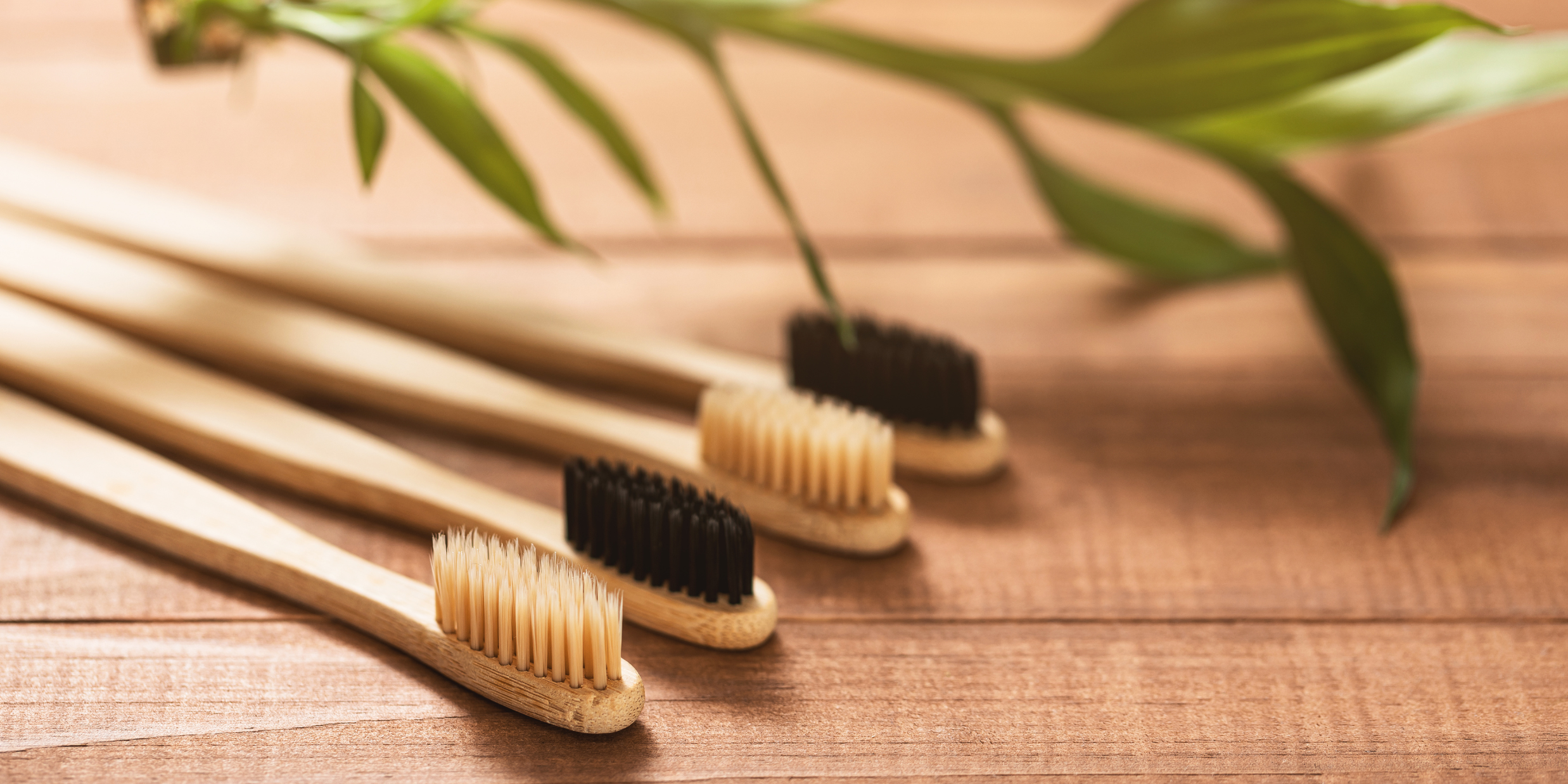
If you've recently switched to a bamboo toothbrush or you're thinking about making the switch you may have found yourself asking:
Do bamboo toothbrushes mold?
It's a fair question.
After all, your toothbrush spends its life in one of the dampest places in your home: the bathroom. Add daily exposure to water, toothpaste, and humidity, and it's understandable to wonder whether a natural material like bamboo can develop mold.

The honest answer is yes, bamboo toothbrushes can mold under certain conditions. But before that worries you, it's important to know that bamboo toothbrush mold is usually easy to prevent.
With a few simple habits, your toothbrush can stay clean, fresh, and functional throughout its recommended lifespan.
Let's look at why bamboo toothbrushes sometimes develop mold, how to prevent it, and how to properly care for your MABLE bamboo toothbrush.
Do Bamboo Toothbrushes Mold?
Yes, bamboo toothbrushes can mold if they remain damp for extended periods or are stored in environments with poor airflow.
However, this doesn't mean bamboo toothbrushes are inherently problematic.
Bamboo is naturally antimicrobial and more resistant to moisture than many other natural materials. These properties help reduce the conditions that allow microorganisms to thrive.
But bamboo is still an organic material.
Like wooden cutting boards, wooden utensils, or natural furniture, bamboo performs best when it is allowed to dry properly between uses.
When moisture becomes trapped around the handle, base, or neck of the toothbrush, mold can occasionally develop especially in warm and humid environments.
The good news?
In most cases, preventing bamboo toothbrush mold is surprisingly simple.
Why Bamboo Toothbrush Mold Happens
Many people assume that mold develops because there is something wrong with the toothbrush itself.

In reality, the environment is usually the cause.
Common reasons bamboo toothbrushes become moldy
1. Humid Bathrooms
Bathrooms are often warm, enclosed spaces where steam builds up from showers and baths.
If moisture remains in the air for long periods, it can slow the drying process and create conditions where mold may develop.
2. Poor Airflow
A toothbrush stored inside a cabinet or drawer receives very little ventilation.
Without airflow, moisture takes longer to evaporate.
3. Standing Water
If the base of the toothbrush sits in water, the bamboo remains constantly damp.
Over time, this increases the likelihood of discoloration or mold.
4. Damp Travel Cases
Travel cases are excellent for protecting your toothbrush while you're on the go.
However, placing a wet toothbrush inside a sealed case traps moisture.
Even a naturally antimicrobial material like bamboo can struggle in these conditions.
5. Shower Storage
Many people keep their toothbrushes in the shower for convenience.
Unfortunately, this is one of the dampest locations in the home and can significantly increase moisture exposure.
Is Bamboo Naturally Antimicrobial?
Yes.
One reason bamboo has become popular for personal care products is that it possesses natural antimicrobial properties.

This means bamboo naturally helps resist certain types of microbial growth.
However, there is an important distinction:
Naturally antimicrobial does not mean mold-proof.
No natural material is completely immune to mold if it remains wet long enough.
This is why proper storage and drying are still essential, regardless of the material used.
Think of bamboo's natural antimicrobial properties as an advantage not a guarantee.
How to Rinse a Bamboo Toothbrush Properly
A quick rinse under running water is often enough, but a little extra care goes a long way.
After brushing:
-
Thoroughly rinse the bristles.
-
Rinse around the neck of the toothbrush.
-
Remove any toothpaste residue from the bamboo handle.
-
Shake off excess water.
-
If water collects around the base, gently wipe it with a clean towel.
Many people focus only on cleaning the bristles, but toothpaste residue and moisture can accumulate around the bamboo portion as well.

Keeping the entire brush clean helps it dry faster and stay fresher.
How to Store a Bamboo Toothbrush to Prevent Mold
Storage is the single most important factor in preventing bamboo toothbrush mold.
Best practices for bamboo toothbrush storage
Store It Upright
An upright position encourages water to drain away naturally while maximizing airflow. Our MABLE self-standing toothbrush makes this easy.
Use an Open Toothbrush Holder
Choose a holder that allows air to circulate freely around the toothbrush.
Keep It Dry
Avoid areas where water regularly splashes onto the toothbrush.
Give It Space
Avoid overcrowding multiple toothbrushes together.
When brushes are constantly touching, moisture can become trapped and illness can spread more easily within your household.
Why MABLE's Self-Standing Design Helps
One practical advantage of MABLE bamboo toothbrushes is the self-standing handle design.
Because the toothbrush stands upright on its own, it naturally promotes better airflow around the handle and base.
This simple design feature helps the brush dry more efficiently between uses and reduces the likelihood of moisture accumulation.
What Not to Do With a Bamboo Toothbrush
Preventing mold often comes down to avoiding a few common mistakes.
Avoid These Habits
Leaving the toothbrush flat on a wet countertop
-
Storing it inside the shower
-
Keeping it in a sealed travel case while damp
-
Letting the base sit in standing water
-
Soaking the toothbrush for extended periods
-
Storing it in a closed cabinet with limited airflow
Small changes in storage habits can make a big difference over time.
Why Is My Bamboo Toothbrush Turning Black?
One of the most common concerns people have is noticing dark spots or black discoloration on the bamboo handle.
This discoloration can occur for several reasons:
-
Surface staining from moisture
-
Mineral deposits from hard water
-
Natural aging of the bamboo
-
Mold growth
If the mark appears only on the handle and the toothbrush otherwise looks clean, it may simply be surface discoloration.
However, if the spot grows, spreads, smells musty, or repeatedly returns after cleaning, it is safest to replace the toothbrush.
How to Clean a Bamboo Toothbrush If You Spot Mold
If you notice a small surface mark on the bamboo handle, don't panic.
In many cases, a gentle cleaning is enough.
Step 1
Use mild soap and warm water.
Step 2
Gently clean the affected bamboo area.
Step 3
Rinse thoroughly.
Step 4
Allow the toothbrush to dry completely in open air.
You may also use a small amount of diluted white vinegar for cleaning the bamboo handle and base.
What You Should Never Do
-
Do not soak the toothbrush.
-
Do not use bleach.
-
Do not use harsh chemicals.
-
Do not scrub aggressively.
When Should You Replace It?
Replace the toothbrush immediately if:
-
Mold appears on or near the bristles.
-
The toothbrush smells musty.
-
The brush feels slimy.
-
Discoloration repeatedly returns.
-
The bristles are damaged or worn.
How Often Should You Replace a Bamboo Toothbrush?
The recommendation for bamboo toothbrushes is exactly the same as for conventional plastic toothbrushes.
Dental professionals generally recommend replacing your toothbrush every three months.
You should also replace it sooner if:
-
The bristles become frayed.
-
You've recently been sick.
-
Mold develops.
-
Persistent discoloration appears.
-
The brush no longer feels clean.
Regular replacement helps maintain effective brushing and supports better oral hygiene.
Do Bamboo Electric Toothbrush Heads Need the Same Care?
Absolutely.
The same principles apply to MABLE bamboo electric toothbrush heads.
To keep them in good condition:
-
Rinse thoroughly after every use.
-
Shake off excess water.
-
Allow the brush head to air dry upright.
-
Avoid leaving the bamboo portion sitting in water.
-
Periodically wipe the base clean.
These simple habits help maximize the lifespan of your brush heads while keeping them fresh between replacements.
Are Bamboo Toothbrushes Still Worth It?
For many households, the answer is yes.
Traditional plastic toothbrushes contribute billions of discarded plastic handles to landfills every year.
A bamboo toothbrush replaces much of that plastic with a renewable natural material.
MABLE bamboo toothbrushes use:
-
FSC-certified bamboo handles
-
Plant-based nylon bristles derived from castor bean oil
-
Plastic-free recyclable packaging
Once the bristles are removed, the bamboo handle can be composted, helping reduce waste compared with conventional plastic toothbrushes.
Most importantly, caring for a bamboo toothbrush is not difficult.
The same habits that keep any toothbrush clean, rinsing, drying, and proper storage are usually all that's needed.
The Honest Takeaway
So, do bamboo toothbrushes mold?
Yes, they can but only when they remain damp and don't have an opportunity to dry properly.
The reality is that bamboo toothbrush mold is usually caused by environmental conditions rather than the toothbrush itself.
By rinsing thoroughly, shaking off excess water, storing your brush upright, and allowing good airflow, you can easily keep your toothbrush fresh throughout its recommended lifespan.

Because bamboo is naturally antimicrobial and designed to be a lower-waste alternative to plastic, many people find that the environmental benefits far outweigh the small amount of care required.
If you're looking for a practical and sustainable oral care option, MABLE bamboo toothbrushes and MABLE bamboo electric toothbrush heads offer an easy way to reduce plastic waste while maintaining a healthy brushing routine.
Shop MABLE bamboo toothbrushes and bamboo electric toothbrush heads for a lower-waste oral care swap and keep them fresh with simple rinse, dry, and upright storage habits.
1. Do bamboo toothbrushes get moldy?
Yes, bamboo toothbrushes can develop mold if they remain damp for extended periods or are stored in humid environments with poor airflow. Proper rinsing, drying, and upright storage can help prevent mold.
2. How do I stop my bamboo toothbrush from molding?
To prevent mold:
- Rinse thoroughly after each use.
- Shake off excess water.
- Store it upright in an open holder.
- Avoid leaving it in standing water or inside a closed travel case while wet.
3. Are bamboo toothbrushes naturally antimicrobial?
Yes. Bamboo has natural antimicrobial properties that help resist certain types of microbial growth. However, it is not completely mold-proof if it remains damp for long periods.
4. Can I keep my bamboo toothbrush in the shower?
It's not recommended. Showers are constantly exposed to moisture and humidity, which can slow drying and increase the risk of mold growth.
5. Why is my bamboo toothbrush turning black?
Black spots may be caused by moisture staining, mineral deposits, natural aging, or mold. If the discoloration spreads, smells musty, or returns after cleaning, it's best to replace the toothbrush.
6. How do I clean a bamboo toothbrush?
Wash the handle gently with warm water and mild soap, rinse thoroughly, and let it air dry. For stubborn surface marks, you can use diluted white vinegar. Avoid bleach, harsh chemicals, or soaking the toothbrush.

Share:
Are Castor Bean Oil Bristles Biodegradable? The Honest Answer
Why Are Electric Toothbrush Heads So Expensive? What You're Really Paying For