
Consider this: the answer to deforestation could be as simple as a piece of grass.
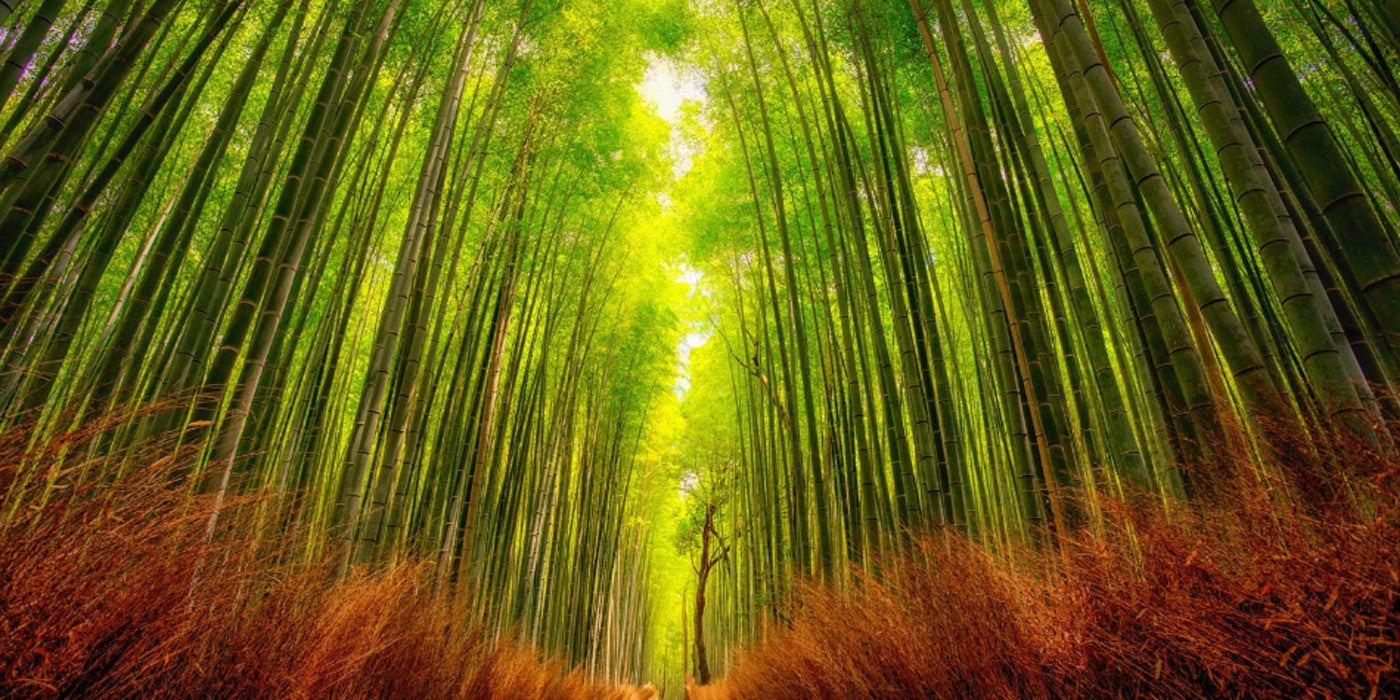
Not just any piece of grass. A tough, sturdy, anti-bacterial piece (or pole, rather) of the fastest-growing species of grass in the world: bamboo.

Did that surprise you?
Bamboo is a woody grass, but it’s easy to mistake for a tree. And that’s exactly why it’s becoming a game-changer for forest conservation and healthy, sustainable living: it doesn’t just look like wood...it outperforms it. Bamboo fibers are actually much more durable and flexible than hardwood.
For most hardwood trees, such as oaks or maples, a full growth cycle may take 30 to 60 years. Considering all the things we make from timber -- paper, furniture, pencils, and buildings to name a few -- you can imagine how easily we could run out of it.
Bamboo doesn’t have that problem; it’s fast-growing.
And when we say fast, we mean fast.
Some species can grow up to four feet in just 24 hours. If we grew that fast, kids who were too short to ride the rollercoaster in the morning need only hang around until the afternoon!
Most species of bamboo reach maturity in just a few years, and can be harvested every year after. Bamboo grows from a rhizome -- a root system that expands underground. New shoots sprout up from the rhizome on their own, and grow into stalks. So there’s rarely a need for replanting, and -- bonus points -- these roots stabilize the soil and keep erosion at bay.
Bamboo is highly water efficient, using only about ⅓ as much water as cotton -- a favorable argument for buying bamboo textiles. It also sucks carbon dioxide out of the air four times faster than trees, and puts out about 35% more oxygen back into the atmosphere.

You’ve heard that bamboo is lucky, right? It’s practically invincible!
The fibers naturally contain an antibacterial bio-agent called “bamboo kun”. This means the grass can grow free of microbes and fungus. That, paired with the fact that bamboo has no natural consumers, means there’s no need to use pesticides of any kind on this grass.
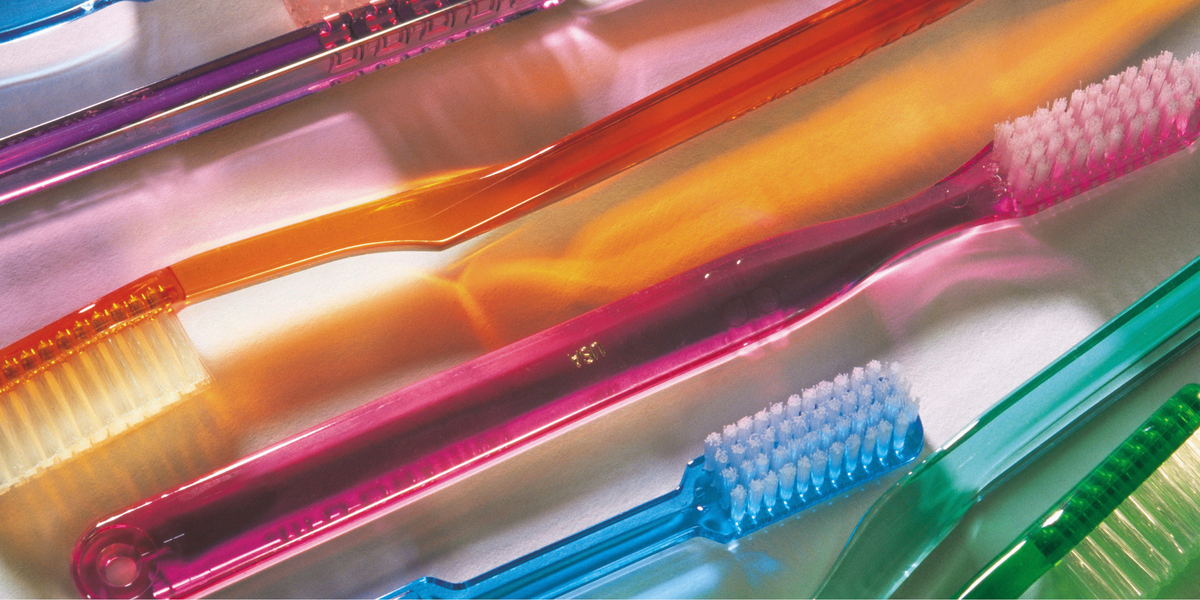
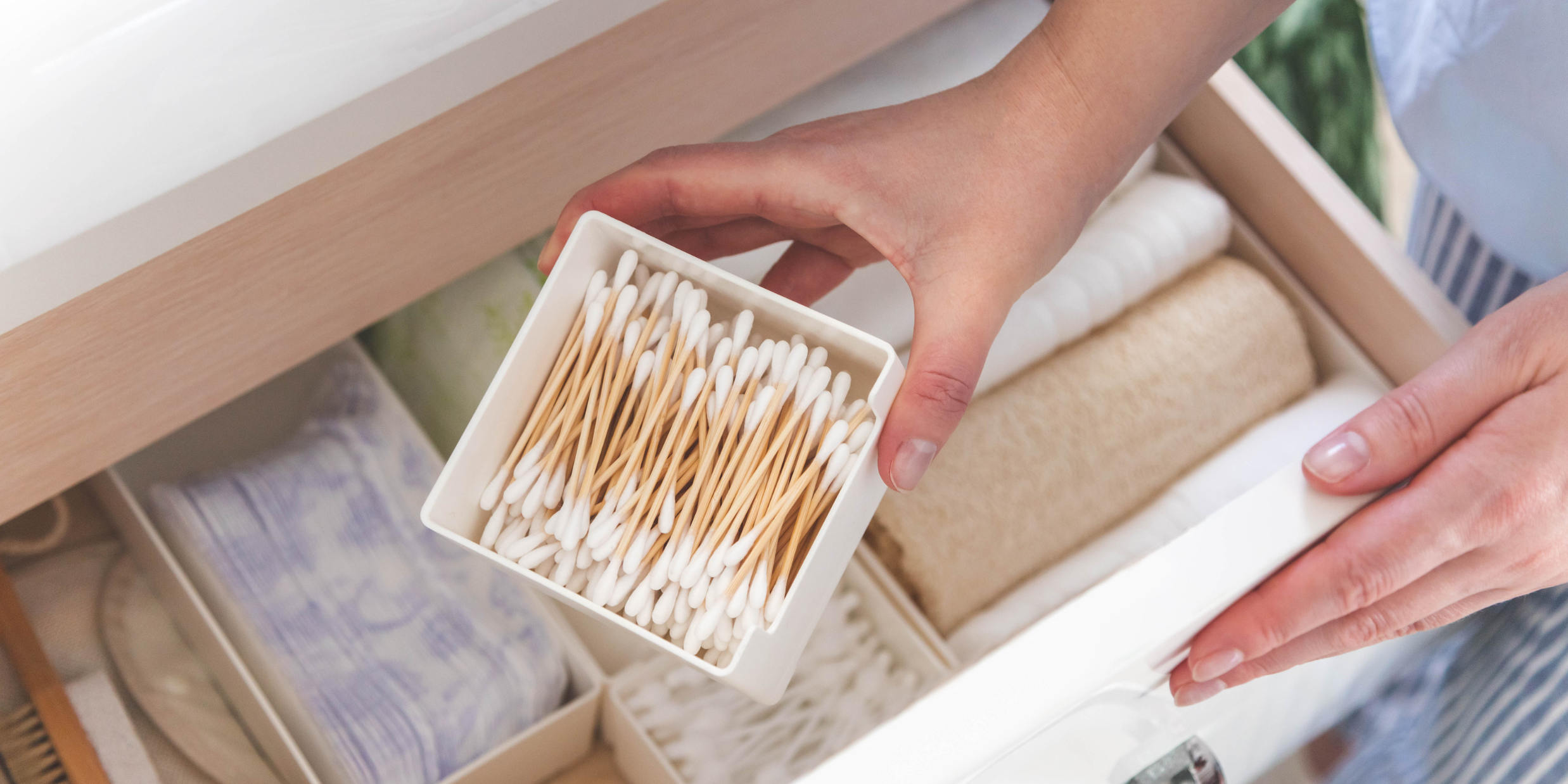
That antibacterial agent remains in the fibers even after we process it for its many uses. This makes bamboo ideal for cutting boards, toothbrush handles, clothes, and other household products that are potential breeding grounds for all kinds of nasty bacteria.
So bamboo is stronger, cleaner, more environmentally beneficial, and it grows super fast...what’s not to love?
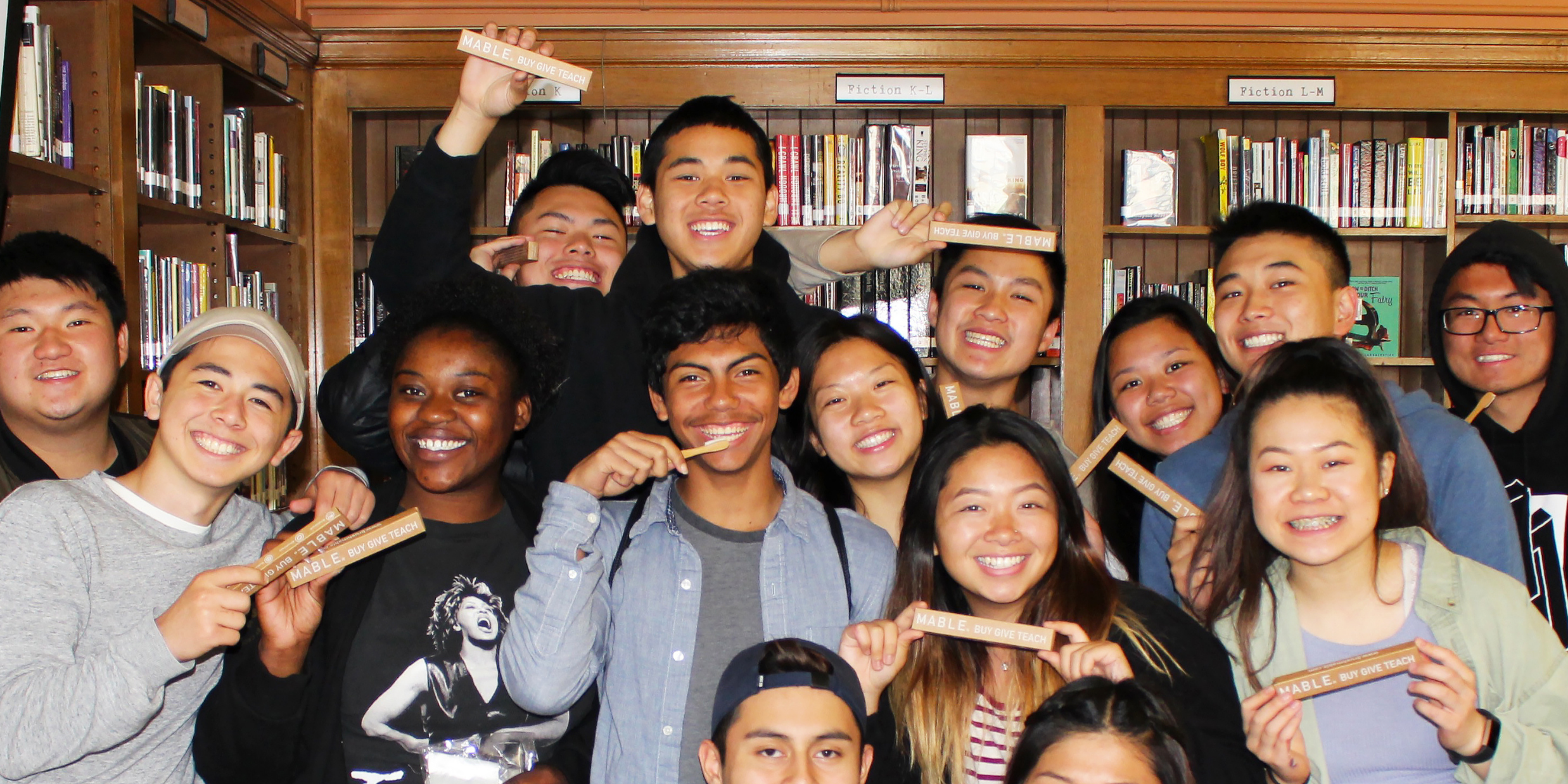
It’s one of those great win-win situations where green living doesn’t have to mean sacrificing quality, and that’s a crucial part of MABLE’s mission.
So tell us: what kinds of bamboo products have you tried?
Cover photo by Rolf Hartbrich
Share:
How to Have Yourself a Merry Little "Green" Christmas