


A fresh toothbrush can be a welcome reset after being sick. While replacing it usually isn't medically necessary after a cold or flu, we recommend taking the opportunity to start fresh, especially if your brush is worn or due for replacement.
That does not mean your old brush is automatically unsafe. Everyday care still matters most. The American Dental Association (ADA) emphasizes rinsing thoroughly after use, storing the brush upright so it can air dry, and replacing it about every three to four months or sooner if the bristles are matted or frayed.
Quick answer: We recommend taking the opportunity to start fresh with a new manual brush or electric head once you are recovering, especially if the brush is already old, the bristles are worn, or it regularly stayed damp in a closed case. That reset usually isn't medically necessary after a cold or flu. For everyday care, replace brushes about every three to four months, or sooner if bristles become frayed. You do not need an elaborate disinfecting routine. Rinse thoroughly, let it air dry, and replace it when it makes sense.
When to change your toothbrush after being sick: A simple replacement routine

A practical time for that optional reset is when your symptoms have gone or are clearly improving. There is no need to treat replacement as an emergency the moment you feel unwell.
Check the bristles before deciding. If they look bent, flattened, frayed, or splayed, it is time for a new brush. Worn bristles are less effective at cleaning your teeth, regardless of how long you have been using them.
If you have had a specific illness, follow any replacement advice from your doctor or dentist. Their guidance should take priority over general tips. An ADA News huddle summarizing expert commentary also notes that if people who are sick share toothbrush holders, the brushes involved may need replacing to reduce spread to others, and that people who are severely immunocompromised or who have had a cold sore are sometimes advised to switch to a new brush. That is not a general rule for every cold or flu. Use clinician advice for your situation.
For more on regular replacement timing, read our guide to how often you should change your toothbrush.
Keeping a few spare brushes at home makes the process easier, especially for families. MABLE's Bamboo Toothbrushes Family Pack (8 ct) is a convenient option when several people need fresh brushes.
You can also set a seasonal reminder to check everyone's brushes. A quick look at the bristles is often all you need.
What about electric toothbrush heads?

If you use an electric toothbrush, the same idea applies. Once you are recovering, consider replacing the removable head, especially if it is worn, old, or due for a refresh. That optional swap gives you the same fresh-start feeling without replacing the whole handle.
There is no need to replace the entire electric toothbrush. Simply remove the used head, clean the handle according to the manufacturer's instructions, and attach a fresh one.
MABLE sells separate bamboo replacement heads for different handle systems. They are not interchangeable across brands, and they are not official OEM parts. Available lines include Bamboo Toothbrush Head compatible with Philips Sonicare (most click-on Sonicare rechargeable handles listed on the product page; not for older screw-on Essence, Sonicare for Kids, or Philips One) and Bamboo Toothbrush Head Compatible with Oral-B (select rotating models listed on the product page; not for Oral-B iO, Oral-B Sonic, or Oral-B Pulsonic).
MABLE's compatible head ranges also include Gleem, Laifen, AquaSonic, and Philips One, each with model limits listed on the product pages (for example, AquaSonic Black Series / Black Series Pro / Vibe Series / Duo Pro, as listed in the product FAQ; not Duo, Pulse, Icon, or Home Dental Center). Always match the exact handle brand and model before ordering. See also Why Doesn't My Electric Toothbrush Head Fit? on brushmable.com.
Do you need to disinfect your toothbrush?

Not usually. Everyday toothbrush care is much simpler than many cleaning hacks make it seem.
After brushing, rinse your toothbrush thoroughly under running water to remove toothpaste and debris. Shake off excess water, then place it upright somewhere it can air dry.
ADA materials note that microwaving or putting a toothbrush in the dishwasher is not recommended because high heat may damage the brush, and that evidence on routine sanitizing methods is limited. Avoid bleach soaks, harsh household cleaners, boiling, microwaving, or dishwasher cycles as everyday care.
If your toothbrush is already worn, cleaning it more aggressively will not restore the bristles. Getting a fresh one is the simpler choice.
What not to do with your toothbrush after being sick

A few everyday habits can help you care for your brush without adding extra steps to your routine.
- Do not share toothbrushes. Everyone in the household should have their own, even when nobody is ill.
- Avoid letting brush heads touch. Give each toothbrush enough space in a shared holder.
- Do not seal a wet brush in a closed container at home. ADA notes a moist closed space can promote microbial growth more than open air.
- Do not keep using worn bristles. Cleaning a brush does not reverse everyday wear.
You also do not need to replace a perfectly good brush after every minor symptom. Use its condition, age, and any specific advice from your healthcare professional to guide your decision.
How to store your toothbrush while you are sick

Good storage matters whether you are feeling unwell or perfectly healthy.
After each use, rinse your brush and place it upright in an open holder. Allow air to circulate around the bristles so they can dry between brushing sessions.
If several people share a bathroom, keep their toothbrushes separated. This helps prevent direct contact between brush heads.
Damp storage is worth avoiding, especially with bamboo handles. If you are curious about caring for bamboo brushes, MABLE's guide, Do Bamboo Toothbrushes Mold?, explains what to know about moisture and storage.
A bamboo toothbrush travel case is useful for protecting your brush when you are away from home. Whenever possible, let the brush dry before closing the case. Once you are home, return it to an open holder rather than leaving it enclosed.
You do not need a special storage system. A clean, well-ventilated spot is enough.
The low-waste way to replace your brush after illness
Trying to reduce bathroom waste while maintaining good hygiene can sometimes feel like a balancing act.
The goal is not to replace perfectly usable products unnecessarily. It is to care for them properly, use them while they remain in good condition, and replace them when appropriate.
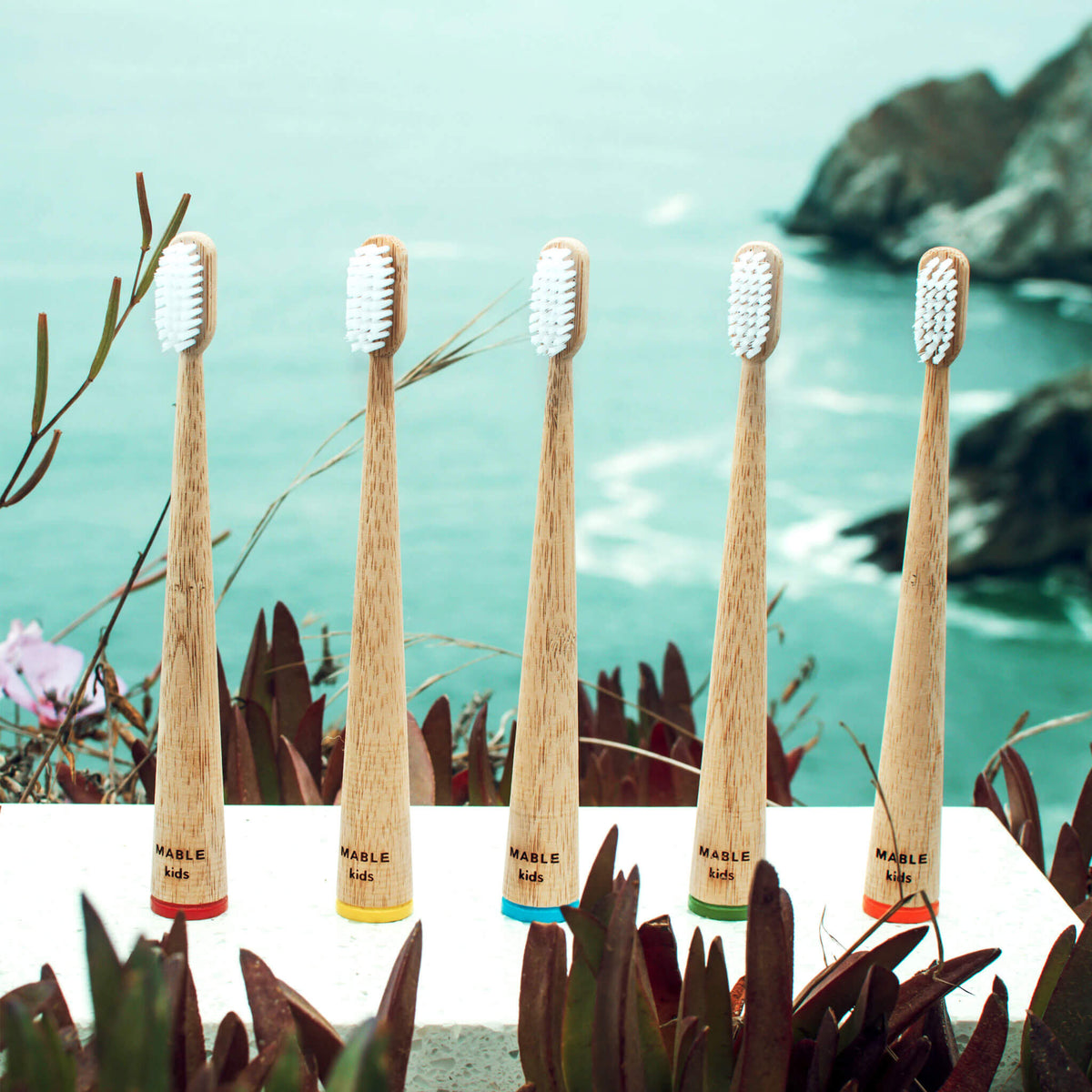
Choosing materials thoughtfully can make regular replacement feel more considered. MABLE bamboo toothbrushes use a bamboo handle instead of a conventional plastic handle (less plastic in the handle itself). Bristles are soft nylon or plant-based nylon; they are not compostable and should be removed before composting a bamboo handle. Packaging details vary by product, so check each product page for its packaging information.
Compatible bamboo electric heads likewise reduce plastic in the head body versus a fully plastic head, but they are not a plastic-free product: the bristles are nylon or plant-based nylon, and some heads include small non-bamboo connector parts.
Small habits matter, too. Proper rinsing, drying, and storage can help you get the intended use from each brush without unnecessary replacements.
The bottom line

A fresh toothbrush after being sick is a welcome optional reset, especially if yours is worn or due anyway. It usually isn't medically necessary after a cold or flu. When you do swap, keep the everyday habits that matter most: rinse thoroughly, air dry, keep brushes separate, and replace about every three to four months or sooner if bristles fray.
The most useful habits are also the simplest: rinse thoroughly, allow your toothbrush to air dry, keep it separate from other brushes, and replace it when needed.
A healthy oral-care routine does not have to be complicated.
FAQs
Should you change your toothbrush after being sick?
Yes, we recommend taking the opportunity to start fresh, especially if your brush is old or worn. That reset usually isn't medically necessary after a cold or flu; it is an optional fresh start once you are recovering.
When should you change your toothbrush after being sick?
Once your symptoms have gone or are clearly improving is a practical time. For specific illnesses, follow any instructions from your doctor or dentist.
Should you replace an electric toothbrush head after being sick?
You can replace the removable head once you are recovering, particularly if it is worn or due for replacement. The electric handle itself does not need replacing.
Can you disinfect a toothbrush after being sick?
For normal care, thorough rinsing and air drying are usually enough. Avoid harsh cleaners, boiling water, microwaving, or dishwasher cycles, which may damage your brush.
How often should you replace a toothbrush?
About every three to four months, or sooner if bristles become bent, frayed, or splayed. (ADA)
What is the best way to store a toothbrush after being sick?
Rinse it thoroughly and store it upright in an open, ventilated area. Keep it separate from other brushes and avoid sealing it inside a damp travel case.

Share:
How Many Plastic Toothbrushes End Up in Landfills?