

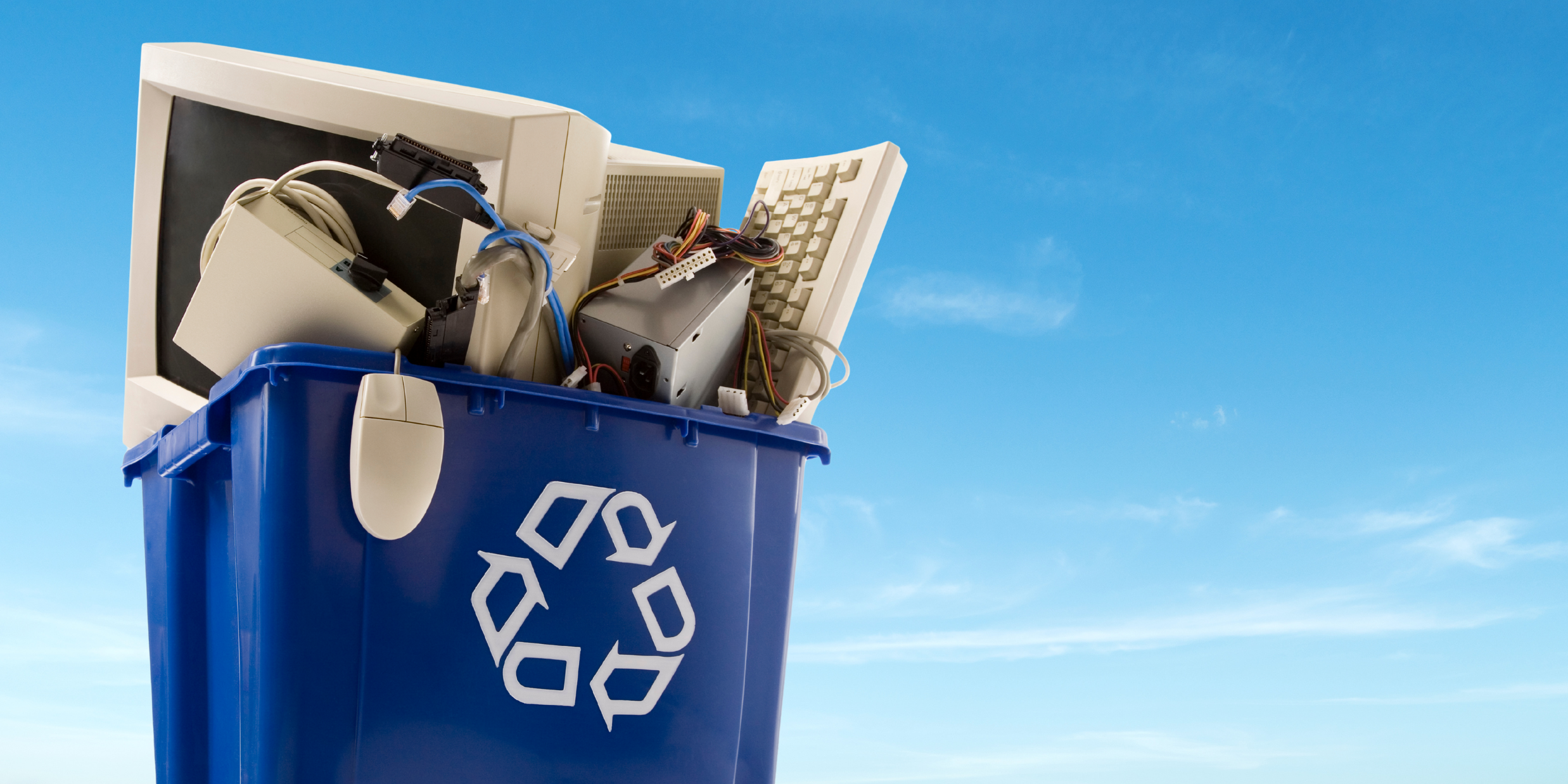
Most e-waste is small, invisible, and hiding in our bathrooms and drawers. Phones, chargers, headphones, smartwatches, electric toothbrushes, and dozens of other tiny gadgets pile up over time so when they break or get outdated, many people are left wondering what to do with old or broken electronics sustainably.
Throwing them in the trash may seem easy, but it’s harmful. Electronics contain materials like lithium, lead, and plastics that contribute to digital pollution, yet most parts can be reused, refurbished, or recycled instead of ending up in landfills.
This guide will walk you through safe, eco-friendly, and practical ways to handle unwanted electronics including items like electric toothbrushes. As a brand committed to responsible living, MABLE is proud to support the modern sustainability movement and encourage conscious disposal habits. Along the way, we’ll explore simple everyday choices that can dramatically reduce e-waste at home.
What Is Digital Pollution? And Why Electronics Are a Sustainability Challenge
Digital pollution is the environmental harm caused by making, using, and discarding digital devices. It includes gadgets like phones, chargers, earbuds, and electric toothbrushes as well as invisible habits like cloud storage and video streaming, which consume massive electricity. Every device leaves a footprint: mining materials, manufacturing, shipping, and daily use all contribute to pollution. When thrown away carelessly, electronics continue to pollute through:

-
Toxic chemicals leaking into soil and water
-
Greenhouse gas emissions from incineration
-
Wasted metals and rare materials that could have been recovered
-
Expanding global e-waste dumps, especially in developing countries
Small electronics are particularly harmful because they’re replaced often and rarely seen as “real” e-waste. Chargers, toothbrush motors, earbuds, and kitchen gadgets may seem minor, but billions end up in household trash, creating a much larger environmental burden than most people realize. That’s why MABLE promotes mindful use and responsible disposal.
The Scope of the Problem: E-Waste Statistics That Matter
A few eye-opening numbers highlight how urgent the e-waste crisis has become globally and locally:
-
The world generated over 60 million tonnes of e-waste in 2024, according to the Global E-Waste Monitor.
-
Only 17–20% of this waste is formally recycled.
-
Small devices (often under 4.5lbs) make up nearly half of all global e-waste, yet most are thrown out with regular household trash because people don’t view them as recyclable.
-
Up to 80% of materials inside electronics metals, plastics, and glass can be recovered and reused.
For consumers, these numbers mean one thing: even the small actions—like properly recycling a charger or old electric toothbrush can directly influence how much waste ends up in landfills.
To put it into perspective, research shows that if every household properly recycled just one small electronic item per year, we could prevent millions of kilograms of avoidable waste globally. This makes personal responsibility a powerful tool in reducing digital pollution.
In the end, millions of electric toothbrushes, chargers, watches, and phones go to landfills each year when they could be reused, repurposed, or recycled.
So, What to Do With Old or Broken Electronics Sustainably?
Here are the best 5 options, starting with the most environmentally friendly.
-
Refurbish, Repair, or Restore Before You Replace
Before buying something new, consider whether your device can be repaired.
Why Repair Matters
Repairing electronics is one of the most effective ways to reduce digital pollution because it extends the lifespan of devices and prevents the environmental cost of mining, manufacturing, packaging, and shipping new products. Globally, this movement is growing fast—many countries are adopting Right-to-Repair laws that give consumers access to spare parts, repair manuals, and affordable servicing options. This global shift empowers people to fix devices instead of replacing them prematurely.

How to Start
-
Replace small parts like batteries, switches, screens, or cables.
-
Check local repair shops that specialise in small appliances and electronics.
-
Look up YouTube tutorials for simple, safe fixes you can do at home.
-
Visit community “repair cafés,” which are becoming increasingly popular worldwide as part of the sustainability movement.
A sustainable-living callout
Instead of replacing batteries regularly in your electric toothbrush, choose a rechargeable toothbrush with replaceable heads like MABLE's bamboo replacement heads. It prevents unnecessary waste and will last longer than the battery powered versions.
-
Donate, Sell, or Give Electronics a Second Life
Donating old electronics can be a responsible way to extend their life if done ethically. Many reputable charities, schools, and community centers accept devices to refurbish and redistribute them, sometimes even sending them to countries in need where they can provide valuable technology for education and small businesses. Programs like these ensure that electronics are repaired, safe to use, and kept out of landfills.
Not all donated electronics are handled responsibly abroad—some are sent to informal recycling sites in developing countries, where unsafe processing can release toxic chemicals into the environment. Ethical donation programs carefully manage logistics to prevent harm, ensuring that your old devices help rather than hurt communities worldwide. It’s important to be aware of the exported e-waste problem.
Where to donate old electronics
-
Local NGOs and community centers
-
Schools needing old tablets or computers
-
Shelters or aid organizations accepting small electronics
-
Online donation platforms
Selling or giving away
-
Facebook Marketplace
-
OLX / Gumtree
-
Refurbishing stores
-
Tech buy-back programs
Even devices with minor issues may be valuable to refurbishers who repair and resell them.
3. Recycle Old Electronics Responsibly
If your device truly cannot be repaired or reused, recycling is the safest, most sustainable option.
Where to recycle
Search “e-waste recycling near me” to find local centers. Most cities have:
-
Government e-waste drop-off points
-
Electronics recycling events held monthly or quarterly
-
Retailers offering take-back programs
-
Specialized e-waste collection companies
What recycling centers accept
-
Phones, tablets, cameras
-
Small household gadgets
-
Cables and chargers
-
Electric toothbrushes and trimmers
-
Batteries and power banks
-
Computer accessories
Proper recycling ensures metals (like copper, gold, silver) and plastics are recovered instead of polluting the environment.
4. Specialized Disposal for Small Electronics (Including Electric Toothbrushes)
Small electronics often fall through the cracks of recycling systems because people toss them in regular household trash. Here’s what to do with some common items:
Electric Toothbrushes
This is where MABLE’s philosophy becomes especially important. Most electric toothbrushes shouldn’t be thrown in the trash because they contain:
-
Batteries
-
Motors
-
Circuitry
-
Plastic components
These parts make them unsuitable for regular waste bins and harmful to the environment if not disposed of properly.
So what should you do?
-
Take broken electric toothbrushes to an e-waste recycling center.
-
Do not put them in household waste.
-
If your toothbrush has replaceable heads, only the heads need switching not the entire device.
MABLE’s sustainable solution:
MABLE’s bamboo toothbrush heads are designed to reduce waste:
-
Compost the bamboo base (after removing the bristles).
-
Dispose of the nylon bristles separately in general waste.
-
The rest decomposes naturally.

This is a perfect example of how smart product choices help reduce waste at home.
5. Upcycle: Turn Old Tech Into Something Useful
Not everything must be recycled immediately. Some items can easily be upcycled at home:
-
Turn old phone cases into small storage containers
-
Use broken USB cables for DIY crafts
-
Convert old speakers into Bluetooth devices
-
Use old toothbrush heads for cleaning grout, jewelry, bike chains
These small actions extend the life of products before disposal.
Tips to Reduce Future E-Waste at Home
Reducing e-waste isn’t just about disposal it’s about making better choices when buying tech.
In sustainability studies, even small choices like replacing only a toothbrush head instead of discarding an entire device are seen as symbolic acts of agency. These actions help people feel connected to a broader movement toward reducing digital pollution.
Choose durable products
Opt for items designed to last longer and withstand daily use.
Buy electronics with replaceable parts
Products like MABLE’s replaceable toothbrush heads prevent you from throwing away motors and full devices.
Repair Before Replacing
Even simple fixes can add years to a device’s life and the global Right-to-Repair movement is making it easier than ever to do so. Laws and initiatives now encourage manufacturers to provide spare parts, repair manuals, and support for consumers to fix electronics rather than replace them.
Reduce impulse tech purchases
Ask: Do I need this? Or do I already have something that works?
Protect gadgets to avoid damage
Use cases, screen protectors, and safe charging habits.
Myth-Busting: Common Questions About E-Waste Disposal

Myth 1: “Small electronics are harmless.”
Even small gadgets contain toxic components that cause environmental harm when dumped in landfills.
Myth 2: “I can throw my electric toothbrush in the trash.”
No, electric toothbrushes contain batteries and electronics. They must go to an e-waste recycling center.
Myth 3: “Recycling is too complicated.”
Most cities now offer free e-waste drop-off points, retailer take-back programs, or scheduled recycling days.
Myth 4: “Donating old electronics is dumping them”
Not when you do it right. Donating tech isn’t about handing off your problem it’s about giving your device a second life. When you choose reputable charities, schools, or refurbishment programs, they actually inspect, repair, and responsibly repurpose your old electronics. That means your device gets used again, stays out of landfills, and definitely doesn’t end up dumped overseas.
Where to Take Broken Electronics (Real, Actionable Options)
Finding the right place for broken or unwanted electronics is easier than most people think and far more effective than tossing them in the bin. Instead of searching generic terms, here are specific, actionable options that exist in most cities:
1. Local Government E-Waste Programs
Most municipalities run scheduled e-waste collection days or have permanent recycling centers where you can drop off:
-
Small electronics
-
Batteries
-
Charging cables
-
Electric toothbrushes
Simply search: “[Your city] council e-waste recycling”.
2. Big Retailers With Take-Back Programs
Major electronics stores often accept old devices, even if you didn’t buy from them. Look for:
-
Best Buy / Currys / Office Depot recycling counters
-
Mobile network stores (AT&T, Verizon, EE, O2)
-
Apple and Samsung recycling desks
These programs take items like chargers, phones, earbuds, and small gadgets.
3. Supermarket or Pharmacy Drop-Off Stations
Many grocery stores and pharmacies now have battery and small-electronic bins near the entrance. These are perfect for:
-
Toothbrush motors or toothbrush batteries
-
Small appliances
-
Cables and adapters

4. Repair Shops With Recycling Partnerships
Local repair shops often collect broken devices for certified recyclers.
Search: “electronics repair shop recycling near me.”
5. Community Recycling Events
Many neighborhoods host monthly or quarterly zero-waste events where you can drop off small electronics for free.
The simplest method:
Search “certified e-waste recycling near me”, and choose a location that accepts small household electronics. You’ll almost always find at least one approved spot nearby—but now with these options, you know exactly which types to look for.
Sustainability Starts at Home
Sustainable tech disposal isn’t just about big systems, it's about everyday decisions made at home.
Simple habits like repairing your gadgets, donating devices, recycling correctly, choosing durable products, and using replaceable toothbrush heads can drastically reduce digital pollution.
When we choose smart, sustainable designs like MABLE’s eco-friendly toothbrush system we help break the cycle of unnecessary e-waste.
Each repaired gadget, each recycled item, each compostable toothbrush head is a step toward a cleaner, smarter, sustainable future.


Share:
Understanding Climate Change: A Practical Guide for Everyday Life
What Really Happens to Donated Clothes? The Hidden Journey No One Talks About