

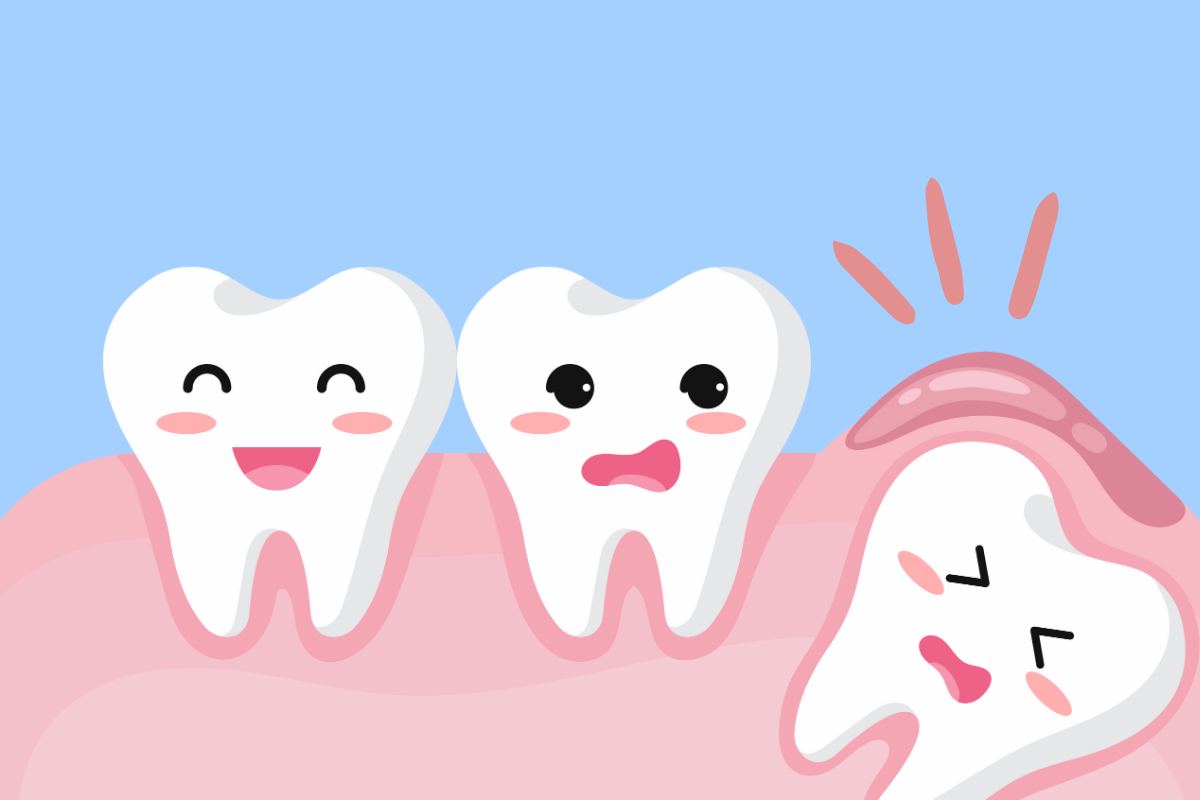
Wisdom teeth are the third molars that sprout in your late teenage years or in your early 20s. Since they are located far back in your mouth, there is a chance of getting an infection or developing cavities if they are not cleaned properly.
In today’s article, we will discuss the top six effective tips for cleaning your wisdom teeth.

Why Keep Your Wisdom Teeth Clean?
Negligence to your oral hygiene can lead to several oral problems in the long run. Here are some reasons why you should clean your wisdom teeth properly:
Eliminates Cavities
Due to their location at the back of the mouth, your wisdom teeth can be difficult to clean properly, especially if they are impacted or partially erupted. This can lead to increased cavities, leading to tooth decay, and even damaged tooth enamel.
Avoids Gum Disease
The tight-knit space between your wisdom and other teeth can trap food particles and become a breeding ground for bacteria. Without proper care, this trapped food and bacteria can increase your risk of developing gum disease.
Prevents Infections
If your wisdom tooth hasn’t fully erupted, it may create pockets between the tooth and gum where bacteria can get collected, increasing the chances of infections.
How to Keep Wisdom Teeth Clean
Now that you are aware of the reasons why it is necessary to take extra care of your wisdom teeth, here are a few tips on how to keep them clean to avoid facing any negative impacts:
- Pick the Right Toothbrush
When it comes to brushing, the theory that the harder a toothbrush's bristles are, the cleaner your teeth will be does not work. Instead, it’s better to pick a soft-bristled toothbrush that is gentle on your gums and teeth. Further, its soft head makes it easy to reach the wisdom teeth at the end and contributes to keeping them clean.

A soft-bristled toothbrush will clean your teeth the same way a hard-bristled toothbrush can, so you don’t have to worry about stuck food particles between your wisdom teeth. Moreover, a hard-bristled toothbrush can cause more harm than good; it may even irritate the gums and damage your enamel.
- Brush in a Correct Angle
Keeping your brush at a 45-degree angle towards the gum line and teeth can help clean the tough corners well. Use circular motions to brush your teeth in a gentle manner. Do not be too harsh, as you can cause injury to your gums and cause bleeding. Make sure to swipe your toothbrush gently and neatly in the space where gums and teeth meet to avoid plaque formation.
- Floss Regularly
There are nooks and corners in your mouth where the toothbrush can’t reach, leaving food particles stuck. Over time, this can lead to bacteria accumulation and plaque formation. If the plaque is not cleaned for a long time, it may lead to tooth decay.

Flossing can help you clean tough spaces between your teeth and gum and prevent plaque build-up by cleaning stuck food particles between teeth and gum lines.
- Gargle with Saltwater
Saltwater gargles can help eliminate the remaining bacteria in your mouth and also soothe any soreness in your gums, which helps you keep your wisdom teeth clean.

- Use an Antibacterial Mouthwash
After properly brushing and flossing your teeth, it’s important to end your oral care routine with an antibacterial mouthwash. A mouthwash is not just meant to keep your breath fresh; its antibacterial properties can help kill bacteria in your mouth and strengthen your teeth in the process.
- Get an Oral Irrigator
While flossing is necessary for optimal oral care, it’s still not on many people's to-do lists. Some think of flossing as another chore and might even skip it, which is not recommended, as flossing helps clean corners that are difficult to reach. So, if you are one of them and still haven’t formed the habit of flossing, getting an oral irrigator might be a good choice.

An oral irrigator, also known as a water flosser, is a jet that uses water pressure to clean the gaps between your gums and teeth. It’s a great tool as it helps massage your gums, improve blood circulation, and decrease any chances of infections.
Consult Your Dentist
Wisdom teeth need extra attention as it’s easier to get tooth decay or infection since cleaning is a challenging task. It’s always wise to consult your dentist and get professional cleaning done when required.
Written by Dr. Anu Isaac, DMD
Dr. Anu Isaac, DMD, leads Coral Dental Care in Salem, MA, with a commitment to quality and continual learning. Through her writing, she educates both dental professionals and the wider community on oral health, recent innovations, and modern treatment modalities.


Share:
Is bioplastic the new plastic?
7 Awesome Benefits of Dental Invisalign