

Should you floss before or after brushing? And where does mouthwash fit into your oral care routine?
For most people, a simple approach is to floss first, brush second, and use mouthwash at a separate time.
The order can make a difference, but consistency matters much more than getting every step perfect. Brushing twice a day and cleaning between your teeth daily are the habits that help keep your teeth and gums healthy.
Quick answer: For most people, the simplest order is floss first, brush second, and mouthwash at a separate time (or as your dentist or the product label directs). Flossing first removes plaque and trapped food from between your teeth, while brushing with fluoride toothpaste helps clean and protect them. Mouthwash can be a helpful addition, but it does not replace brushing or flossing.
Floss → Brush → Mouthwash later, if needed.
Step 1: clean between your teeth
Your toothbrush does a lot of the work, but its bristles cannot fully reach the tight spaces between your teeth. That is where floss or another interdental cleaner comes in.

Flossing before brushing helps remove plaque and trapped food from those hard-to-reach areas. The American Dental Association recommends cleaning between your teeth once a day to help remove plaque and food particles (MouthHealthy on flossing).
Traditional string floss is not your only option. Depending on your teeth and what feels comfortable, you might prefer dental picks, interdental brushes, or a water flosser. If you are unsure which option is right for you, your dentist can help you decide. You can also learn more about regular dental care in our guide, How Often Should You Visit the Dentist?.
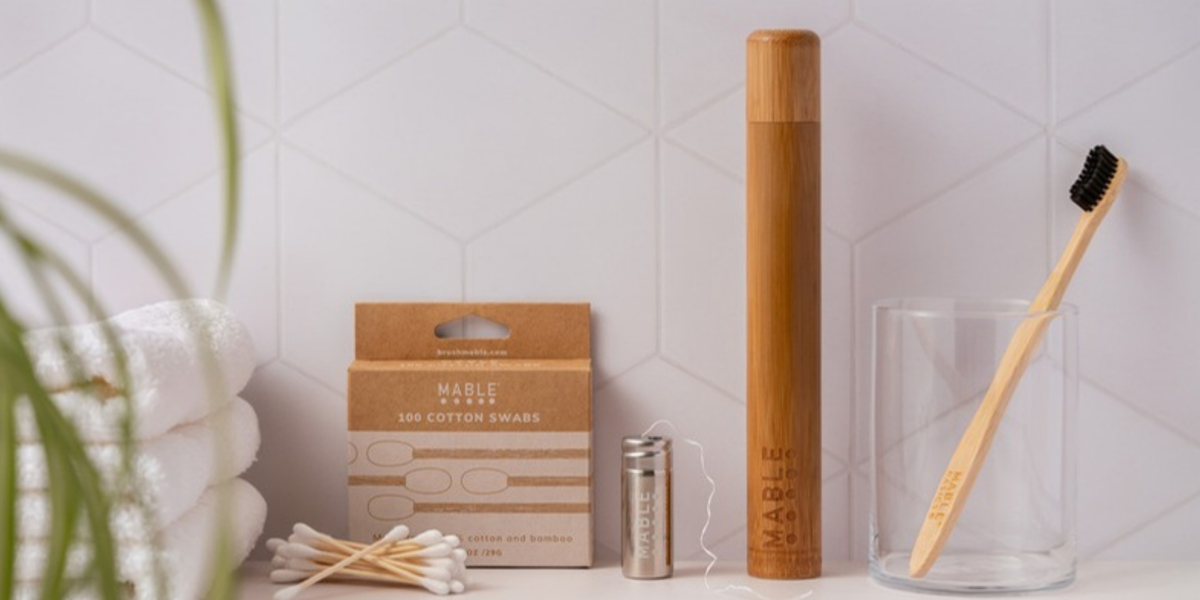
When it is time to restock, lower-waste alternatives can fit easily into your routine. MABLE's silk floss, paired with a refillable container, can help reduce disposable plastic waste over time. Wondering how it compares with conventional floss picks? Read Plastic Free Floss: The Better Alternative to Floss Picks.
There is no need to throw away products that still work. Finish what you have, then consider a lower-waste alternative when it is time for a replacement.
Step 2: brush with fluoride toothpaste
Once you have cleaned between your teeth, brush with fluoride toothpaste for about two minutes, twice a day. Choose a soft-bristled toothbrush that feels comfortable to use (MouthHealthy on toothbrushes).

Use gentle, small circular motions, paying attention to the gumline, back teeth, and other spots that are easy to miss. You do not need to press hard to clean your teeth effectively.
Replace your toothbrush or brush head about every three months, or sooner if the bristles become frayed or worn. For more guidance, read How Often Should You Change Your Toothbrush.
When it is time for a new brush, a bamboo toothbrush can be a practical lower-waste alternative to a conventional plastic one. If you prefer an electric toothbrush, MABLE also offers bamboo electric toothbrush heads compatible with Philips Sonicare.
Small changes are enough to get started. Use what you already have, and make thoughtful swaps as your oral care essentials wear out.
Step 3: where mouthwash fits

So, should you use mouthwash before or after brushing?
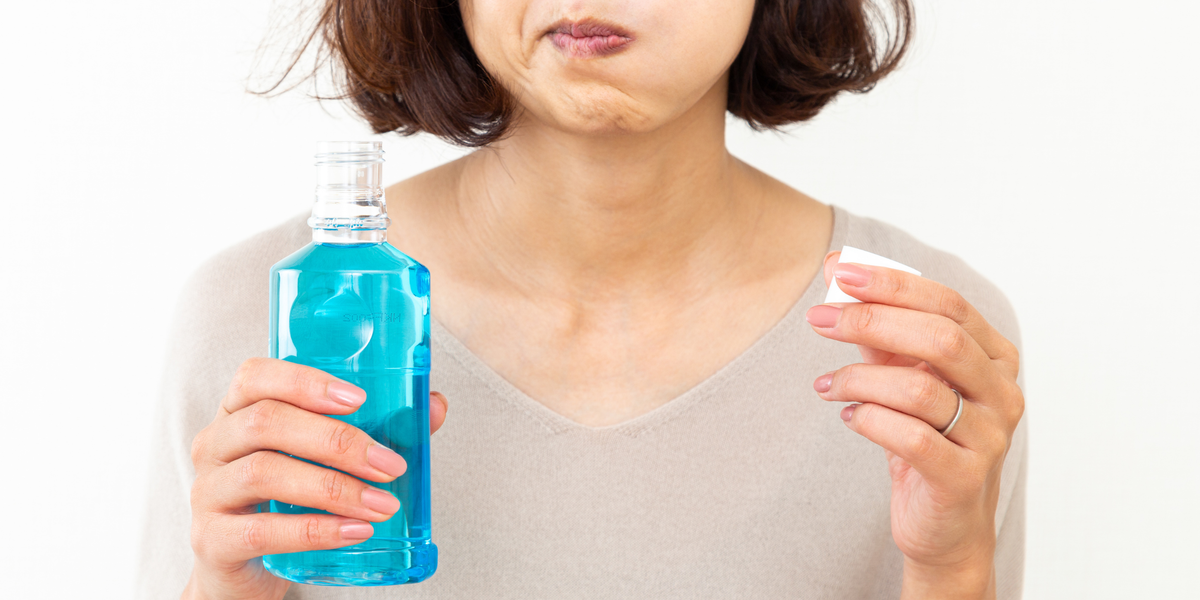
Mouthwash can help freshen your breath and, depending on its ingredients, provide additional benefits such as fluoride protection or support for plaque and gingivitis control. However, it is an optional extra, not a replacement for brushing and flossing (MouthHealthy on mouthwash).
If you are wondering whether mouthwash belongs in your daily routine, take a look at our guide, Is Mouthwash Good for You?.
If you use a fluoride mouthwash, it is generally better to use it at a different time from brushing. Rinsing immediately after brushing can wash away some of the concentrated fluoride left behind by your toothpaste.
For example, you might brush after breakfast and use mouthwash after lunch. The important thing is to follow the product label and any specific advice from your dentist.
One thing to keep in mind: the American Dental Association does not recommend mouthwash for children under six unless a dentist advises it, as younger children may accidentally swallow it (MouthHealthy on mouthwash).
Does the order really matter?
A little, yes. But there is no need to make your routine complicated.
Each step has a purpose. Flossing first helps clear plaque and food particles from spaces your toothbrush cannot easily reach. Brushing afterward helps clean your teeth and leaves fluoride behind to protect the enamel.
Timing matters with mouthwash, too. Using it immediately after brushing may rinse away some of that fluoride, so using mouthwash at another time of day often makes more sense.
Still, a routine you can stick to is more valuable than an elaborate one you rarely complete. The goal is to build simple, consistent habits that work for you.
Morning vs. night
Your morning routine can be straightforward. Brush for two minutes with fluoride toothpaste, and you are ready to start your day. If you prefer flossing in the morning, that is perfectly fine too.
Evenings are a convenient time for a more thorough clean. Start by cleaning between your teeth, then brush for two minutes before bed.
Once you have finished brushing, spit out the excess toothpaste rather than rinsing thoroughly with water. This allows fluoride to stay on your teeth longer and continue helping to strengthen enamel. The ADA also advises spitting rather than rinsing immediately after brushing (ADA News).
There is no single schedule that suits everyone. Find a routine that fits your day, and follow any personalized recommendations from your dentist.
Common mistakes to avoid
One common mistake is using mouthwash instead of floss. Although mouthwash can reach different areas of your mouth, it cannot physically remove plaque and trapped food from between your teeth in the same way floss or other interdental cleaners can.
Another is rinsing thoroughly with water immediately after brushing. This can wash away some of the fluoride from your toothpaste before it has had more time to work.
Brushing too hard is also worth avoiding. A soft-bristled brush and gentle pressure are enough for effective cleaning. Aggressive brushing can irritate your gums and contribute to enamel wear over time.
Finally, remember the areas that are easy to overlook. Give your gumline and back teeth proper attention, and gently clean your tongue as part of your daily routine.
Good oral care does not have to be complicated. A little attention to technique can make your everyday habits more effective.
The bottom line
For most people, the easiest approach is to floss first, brush second, and use mouthwash separately if they choose to.
Flossing helps clean between your teeth, while brushing with fluoride toothpaste removes plaque and leaves fluoride behind to protect enamel. Using mouthwash at another time can help you avoid washing away that fluoride too soon.

You do not need a perfect routine or a bathroom shelf full of products. Brush twice a day, clean between your teeth daily, use a gentle technique, and follow your dentist's advice.
Simple habits, practiced consistently, are what matter most.
FAQs
What is the correct order to brush, floss, and use mouthwash?
For most people, a practical order is to floss first, brush second, and use mouthwash at a separate time of day if needed. Your dentist may recommend a different approach based on your individual oral health needs.
Do you brush or floss first?
Flossing first is a simple, effective approach. It helps remove plaque and trapped food from between your teeth before you brush. However, cleaning between your teeth every day matters more than the exact order.
Does it matter if you use mouthwash before or after brushing?
Yes, it can. Using mouthwash immediately after brushing may rinse away some of the fluoride left behind by your toothpaste. If you use a fluoride mouthwash, consider using it at another time of day, unless the product label or your dentist recommends otherwise.
Can mouthwash replace flossing?
No. Mouthwash may help freshen breath and offer additional benefits depending on its ingredients, but it cannot physically remove plaque and trapped food from between your teeth like floss or other interdental cleaners.
Should I rinse after brushing my teeth?
It is generally better to spit out excess toothpaste rather than rinse thoroughly with water straight after brushing. This helps fluoride remain on your teeth longer, where it can continue protecting the enamel.
Share:
How Often Should You Visit the Dentist? What to Know About the 6-Month Rule