

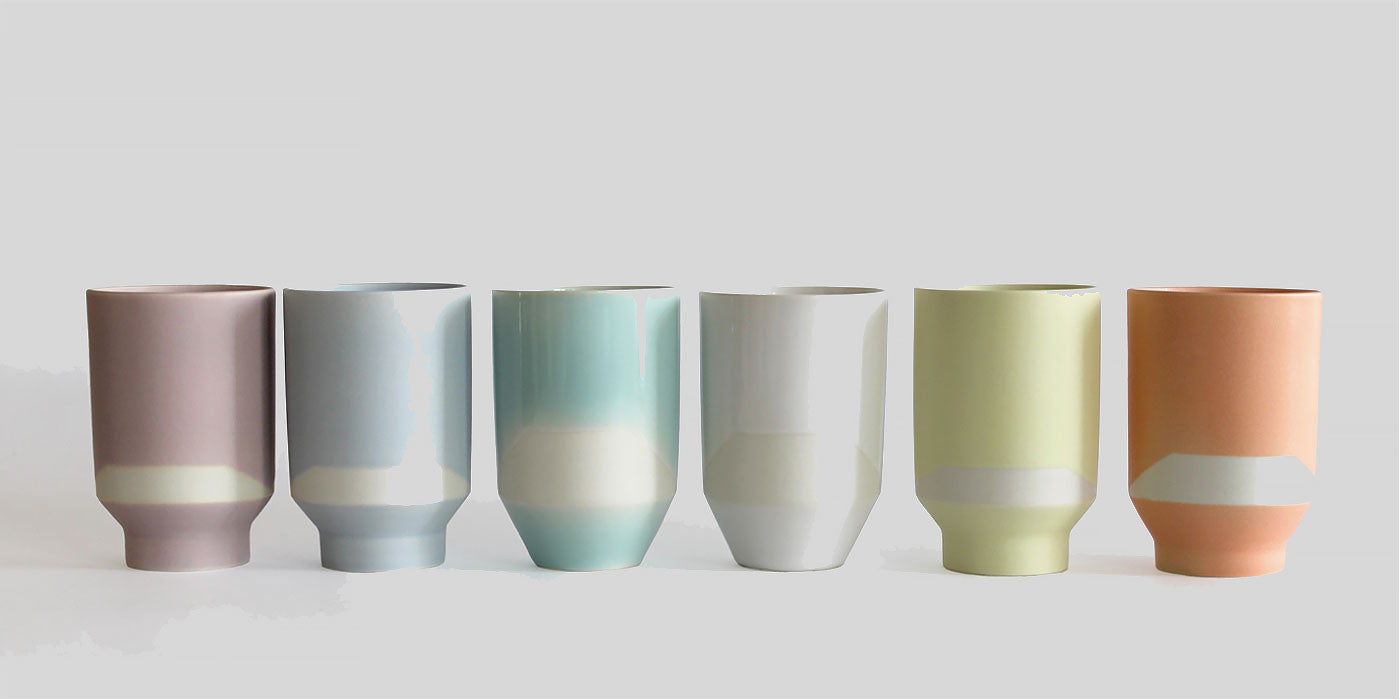
As we become ever more keenly aware of the environmental harm caused by plastic waste, people are reaching for alternatives far and wide. Some are looking to modern technology for solutions.
And many others are looking back to our roots.
Early humans didn’t have the technological resources that we have today. But they still shared the same basic needs; like preparing food and storing water. Long before the days of stainless steel, cast-iron, and plastics, our ancestors used what the earth made available to them.
And in the “kitchen”, that often included clay.
Earthenware, which is impervious fired clay pottery, was widely used by ancient civilizations, and highly depended upon. Perhaps today, many people think of pottery as primarily art.

But one ceramist has made it her mission to prove that some art has a greater purpose; like earthenware.
It started in 2014 as a simple Facebook group, created by Lauren Moreira in Italy. She wanted to help more people understand the environmental harm that plastic pollution is causing.
So she created the group to encourage use of clay as an alternative to plastic kitchenware.
Her belief is simple: if it was made of clay before, it can be made of clay again.
Since then, it’s evolved into something of a movement, called “More Clay, Less Plastic”.
Today, the Facebook page is full of posts by artists and supporters alike. They share photos of their earthen creations, and stories about both wins and losses in the fight to reduce plastic waste.
As awareness of the movement grows, the group is able to reach more people. They help more ceramic artists share their functional art with the public, and with each other. Members can marvel at the beauty of the pieces, and the deeper message is clear:
From Tupperware to flatware, we could easily replace many of the plastics we use daily with earthenware.

Recently the movement has boosted their offline presence. They’re showing up at cultural arts and sustainability events, leading ceramics workshops, and hosting exhibits to show off their work.
“More Clay, Less Plastic” aims “to highlight respect for the environment by inviting people to rethink their daily habits, for example by avoiding disposable plastic”. They're encouraging people to embrace older, less destructive practices and products that can still meet the needs of a modern population.
MABLE is just one among many business, organizations, and individuals who are aiming to spread the same message. From bamboo to glass, textiles, and clay, we have so many options to explore for curbing our habitual use of plastics. And the best part is, most of it's already been done before...sometimes for thousands of years!
As the saying goes, sometimes the best step forward is a step backwards…
...or did we just make that up?
So what do you think: would you try #MoreClayLessPlastic?
Photo credits:
Cover: Cairo Collection by Hélène Morbu
Table top image: Collection by Elephant Ceramics
Ceramic container: Made by Ben Fiess


Share:
What we can learn from our ancestors about eating “green”.
5 Ways to Spring Clean the Green Way